-
SALE
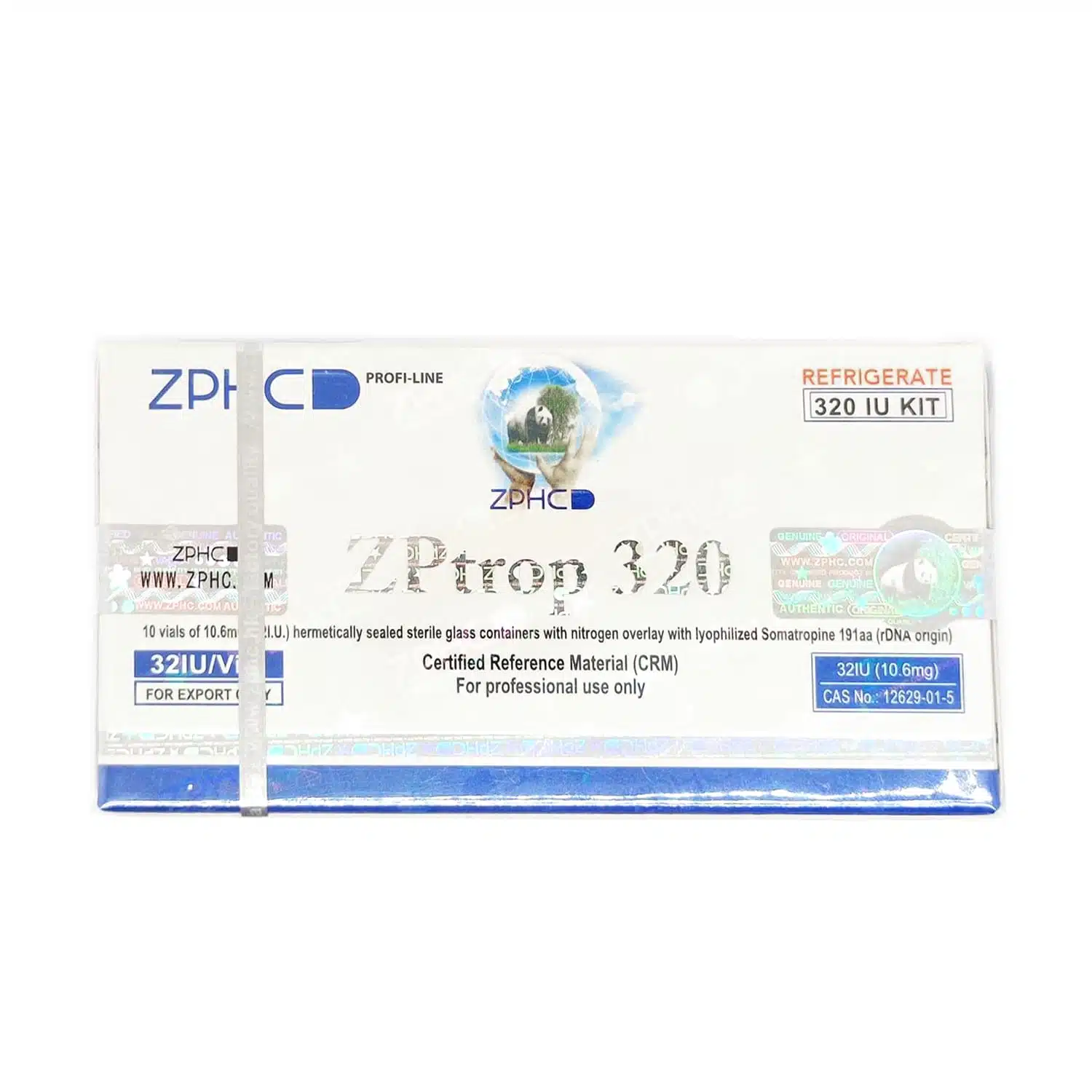
ZPtropin Somatropin 320 IU
Original price was: $720.00.$680.00Current price is: $680.00. -
SALE
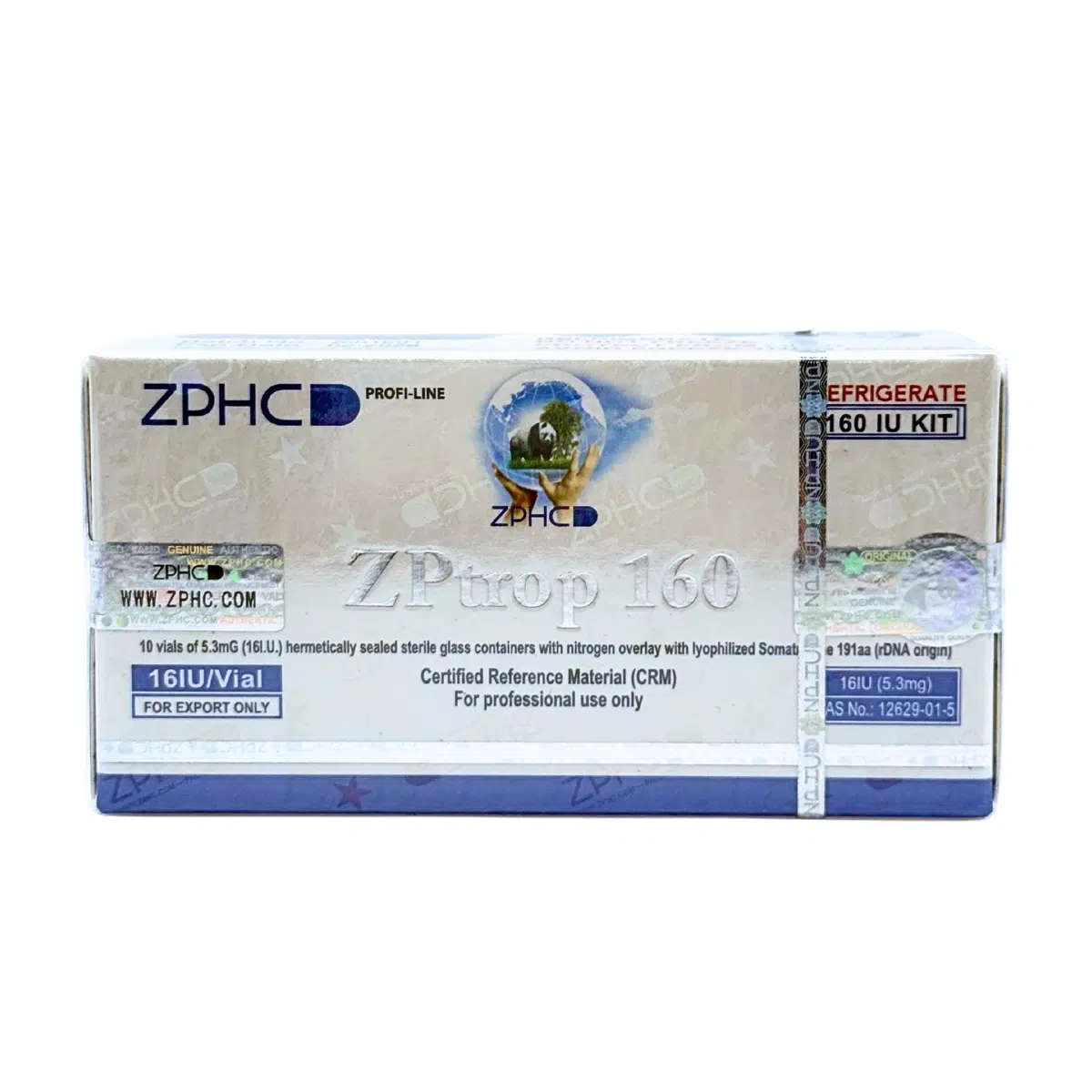
Zptropin Somatropin 160 IU kit
Original price was: $385.00.$365.00Current price is: $365.00. -
SALE
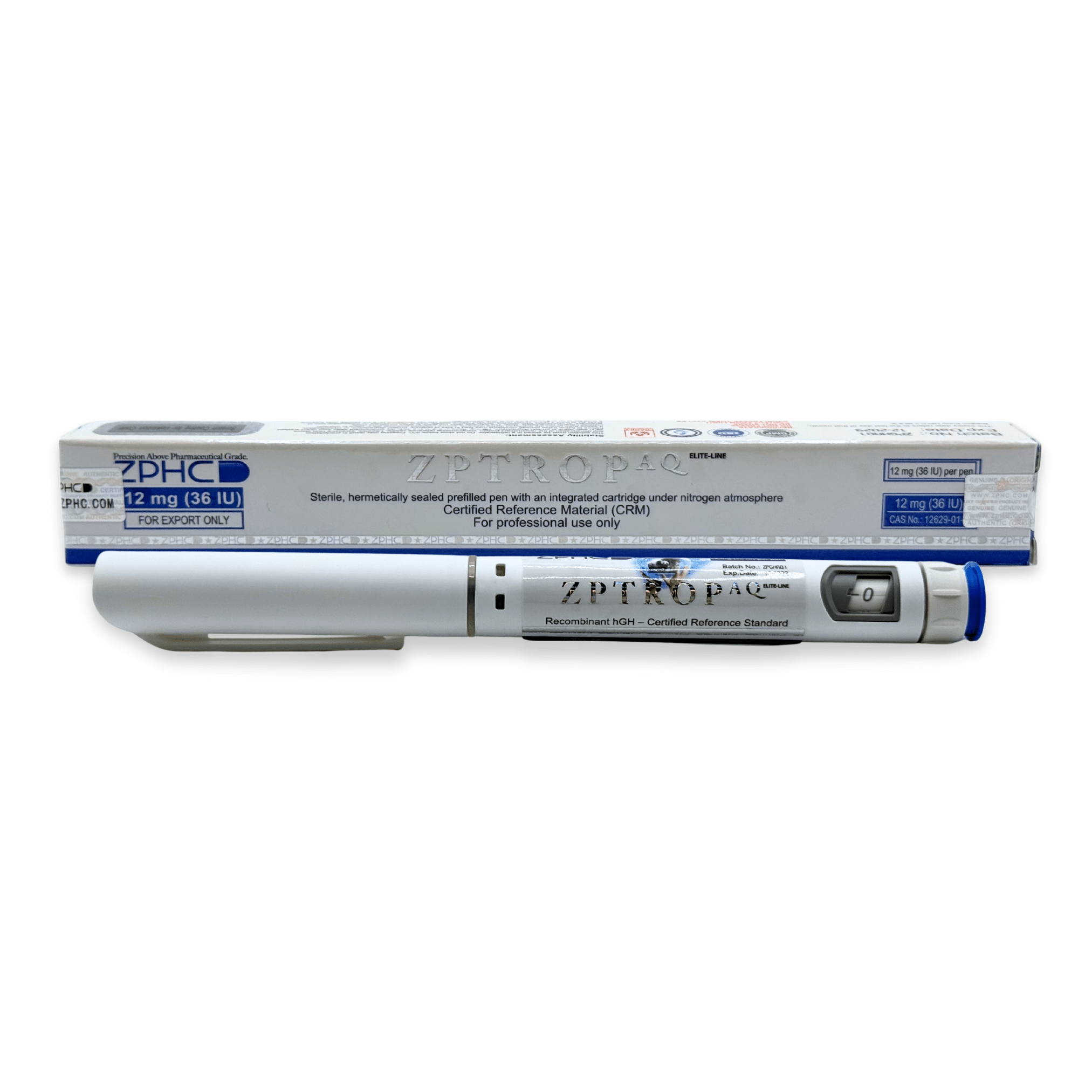
ZPtrop Somatropin AQ 36 IU pen
Original price was: $130.00.$125.00Current price is: $125.00. -
SALE
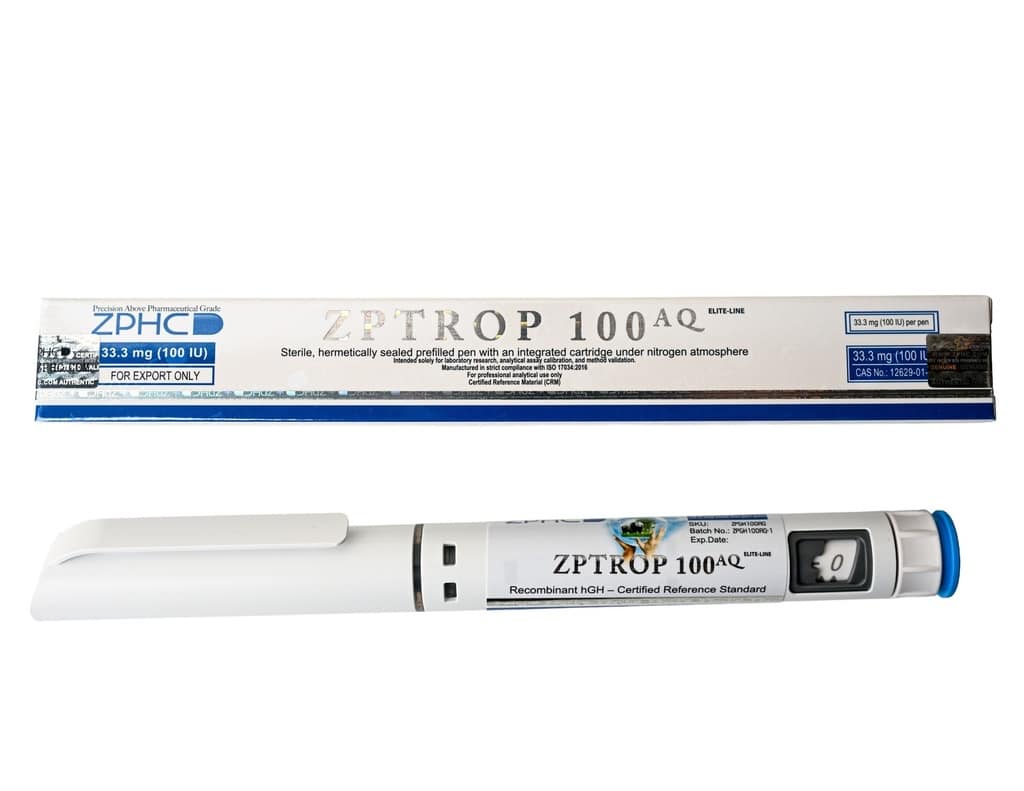
ZPtrop Somatropin AQ 100 IU pen
Original price was: $340.00.$330.00Current price is: $330.00. -
Out Of Stock
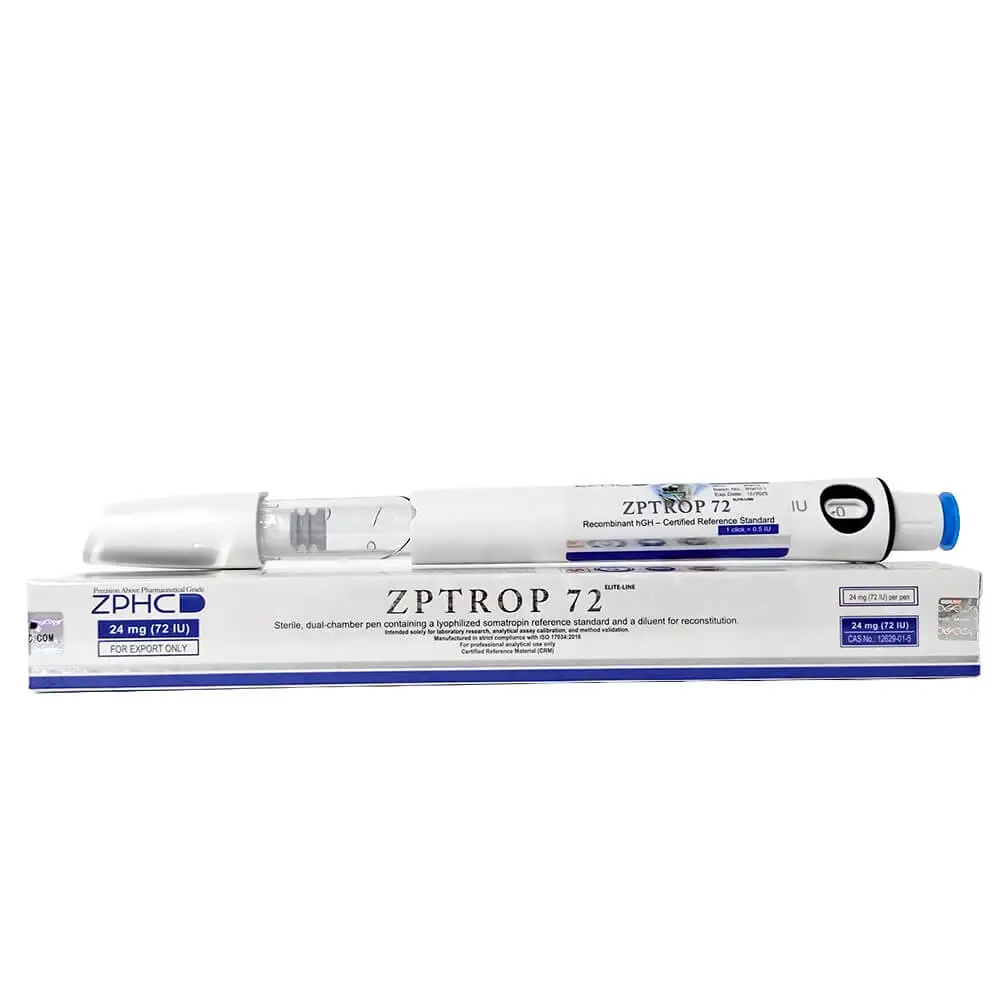
ZPTROP Somatropin 72 IU Pen
$220.00 -
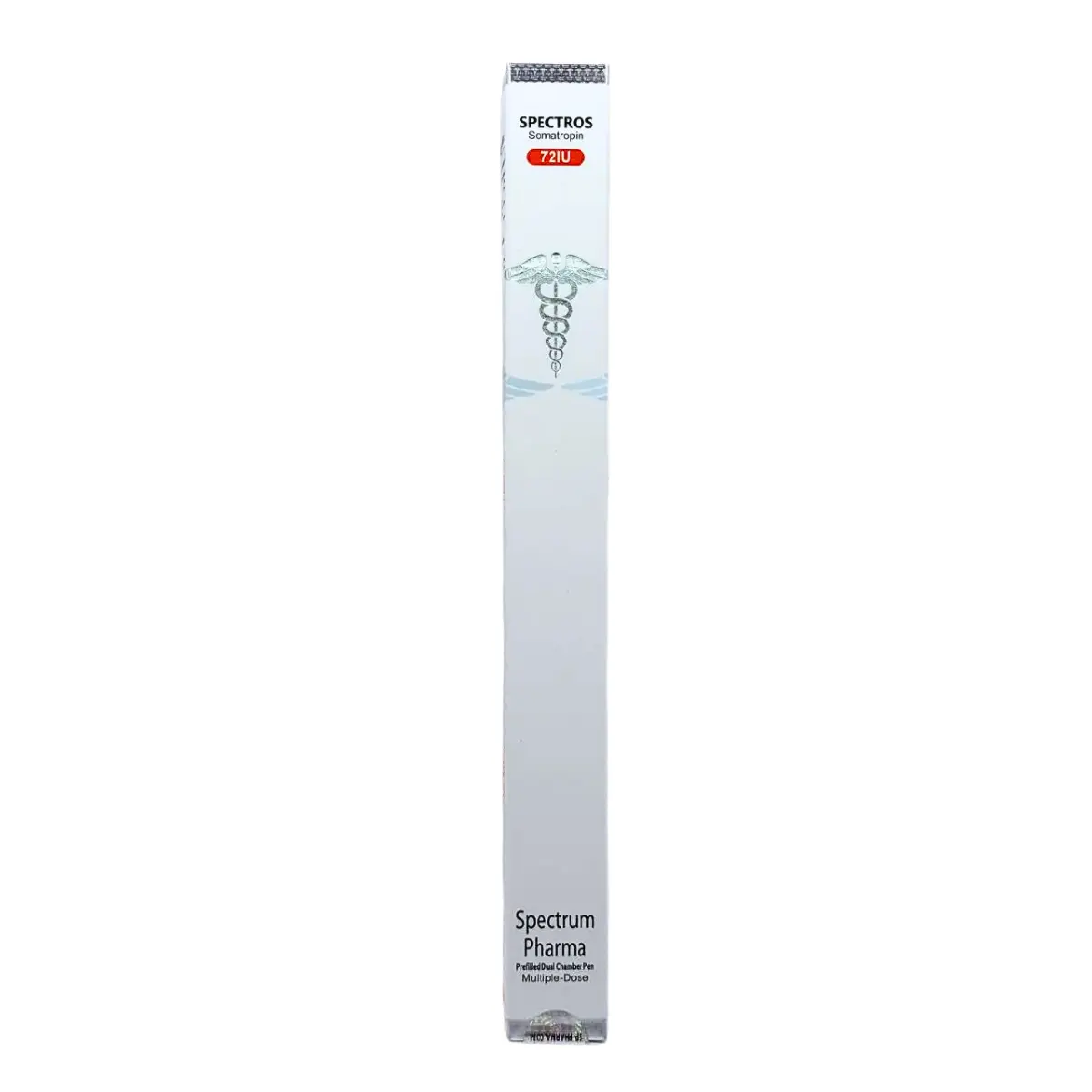
Spectros Somatropin 72 IU Pen
$220.00 -
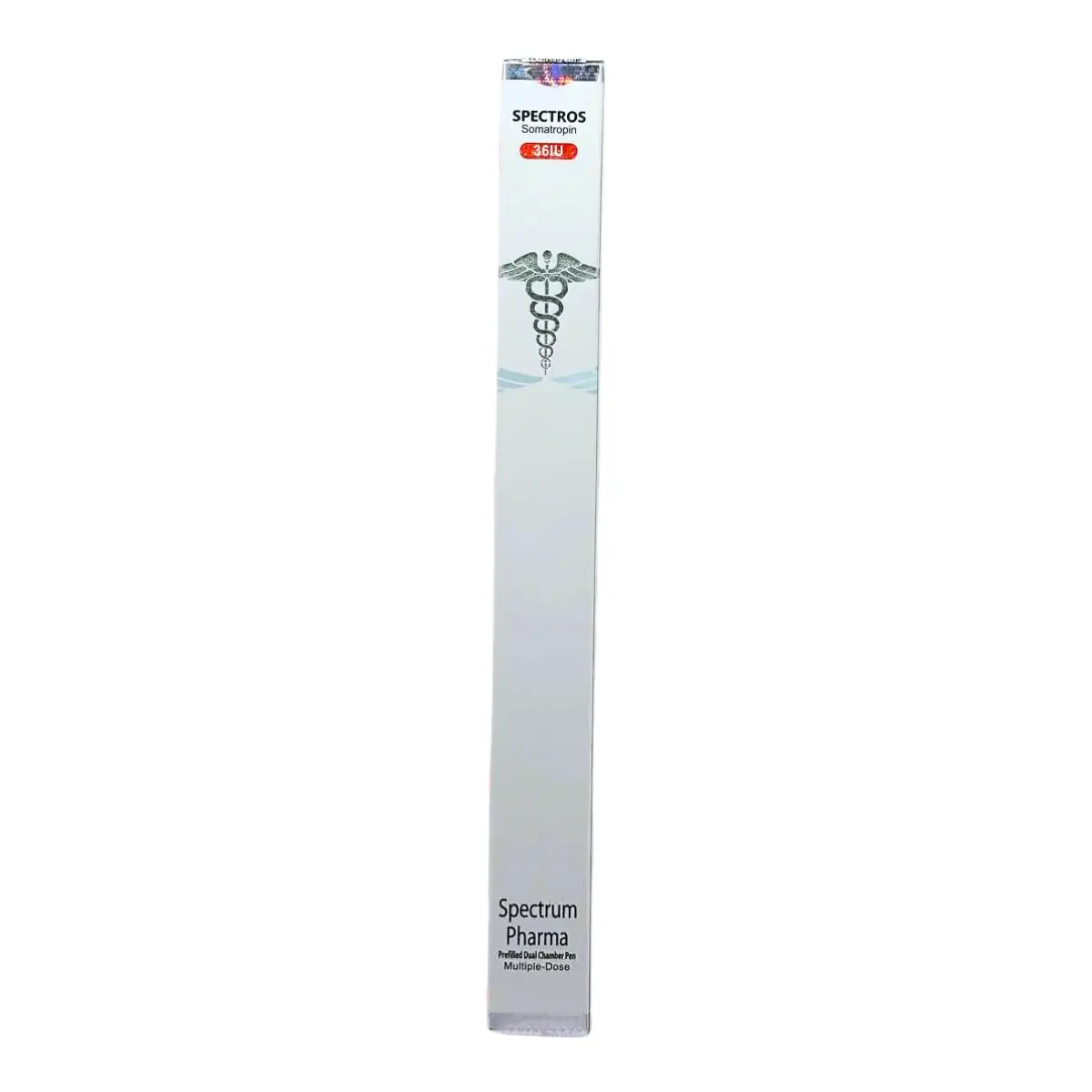
Spectros Somatropin 36 IU Pen
$130.00 -
SALE
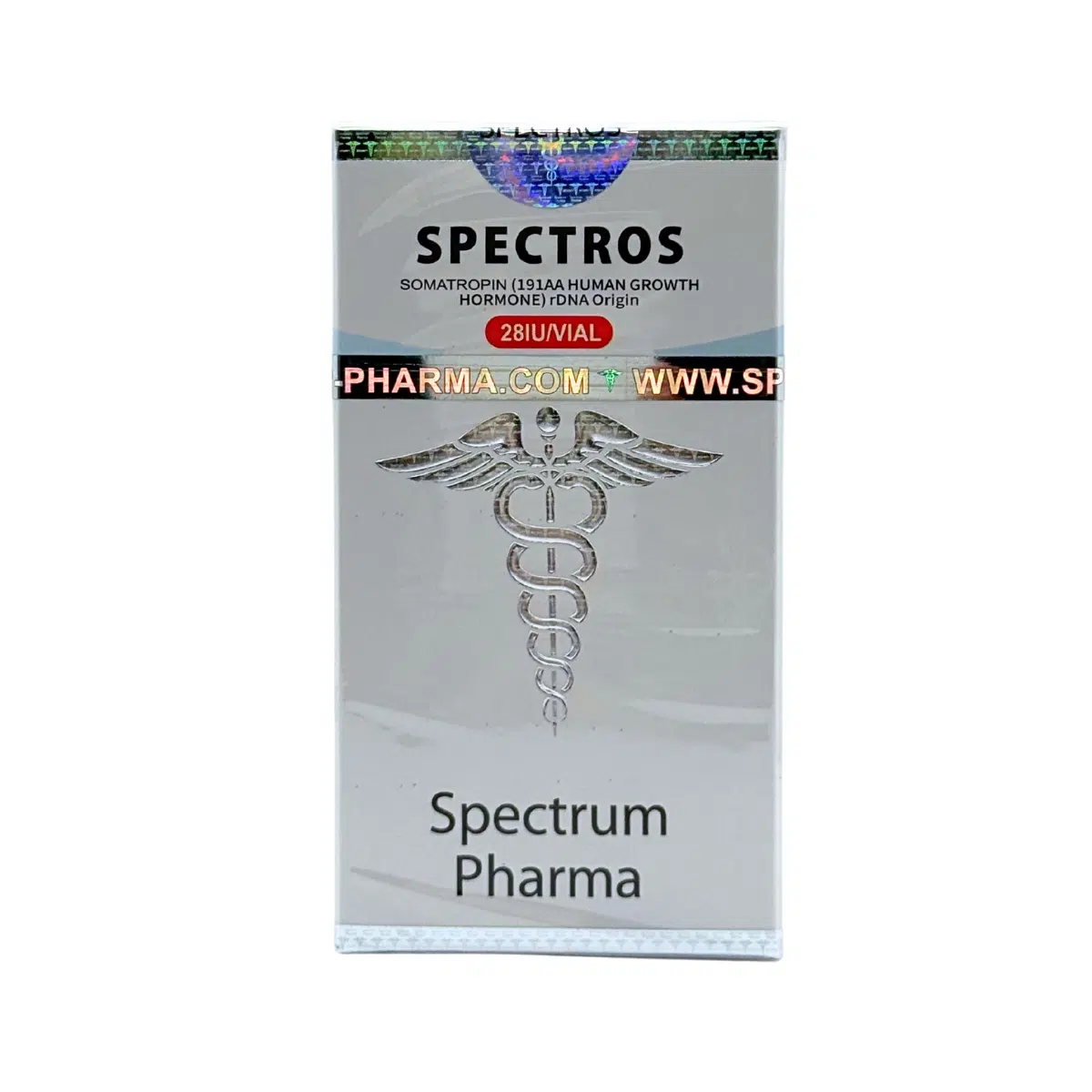
Spectros Somatropin 280 IU
Original price was: $650.00.$590.00Current price is: $590.00. -
SALE
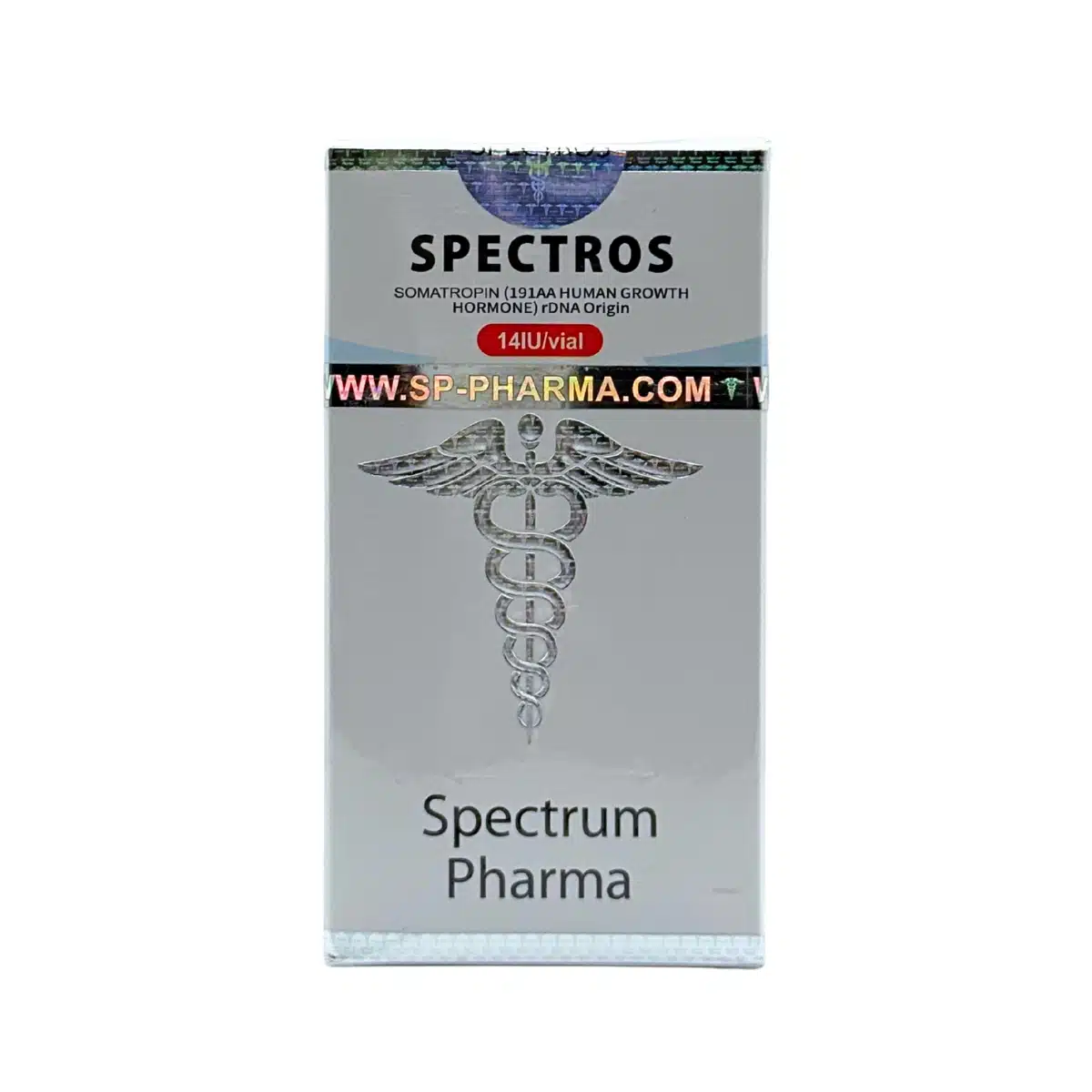
Spectros Somatropin 140 IU kit
Original price was: $335.00.$305.00Current price is: $305.00. -
SALE
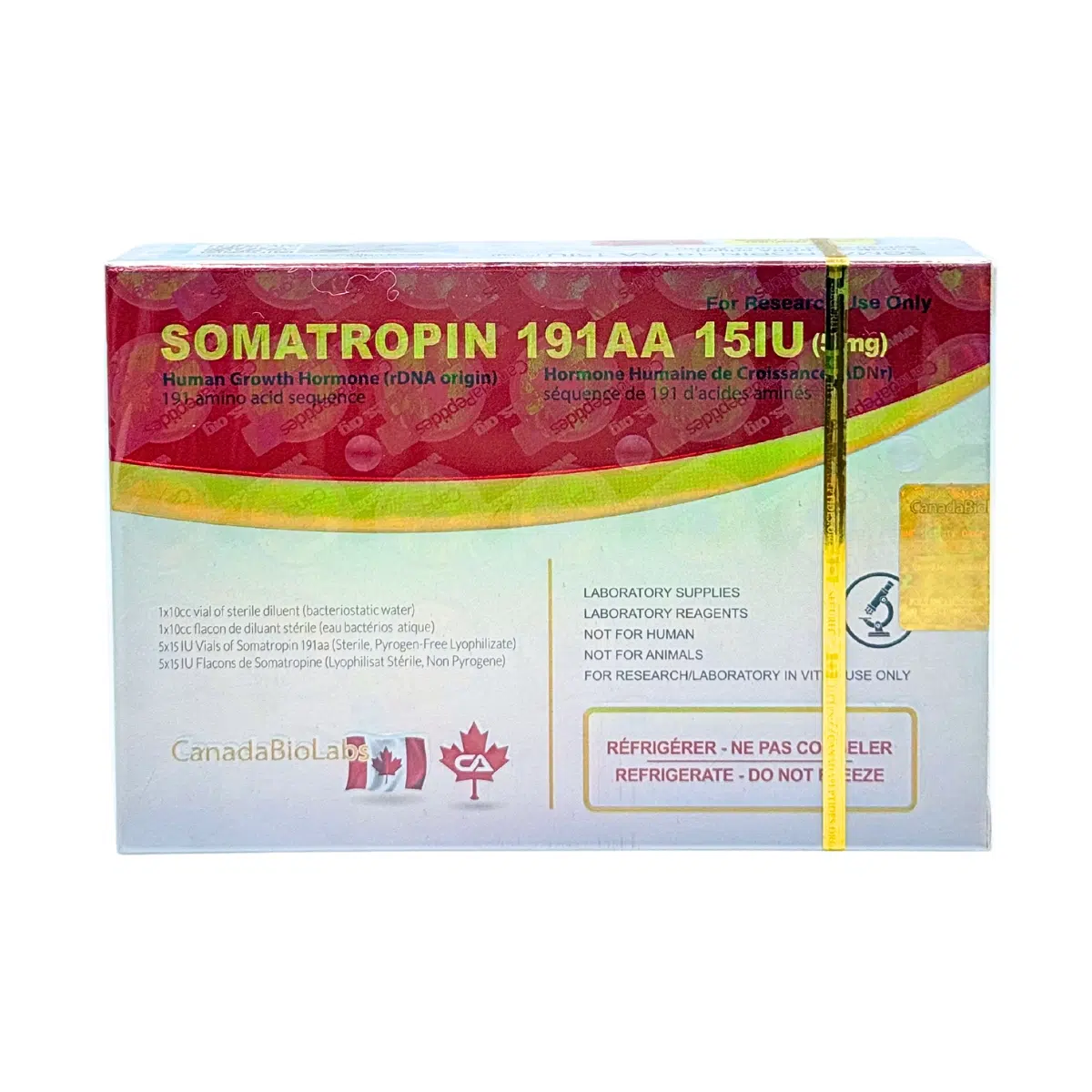
Somatropin 191aa (150 IU)
Original price was: $375.00.$365.00Current price is: $365.00. -
Out Of Stock
-
-
Out Of Stock
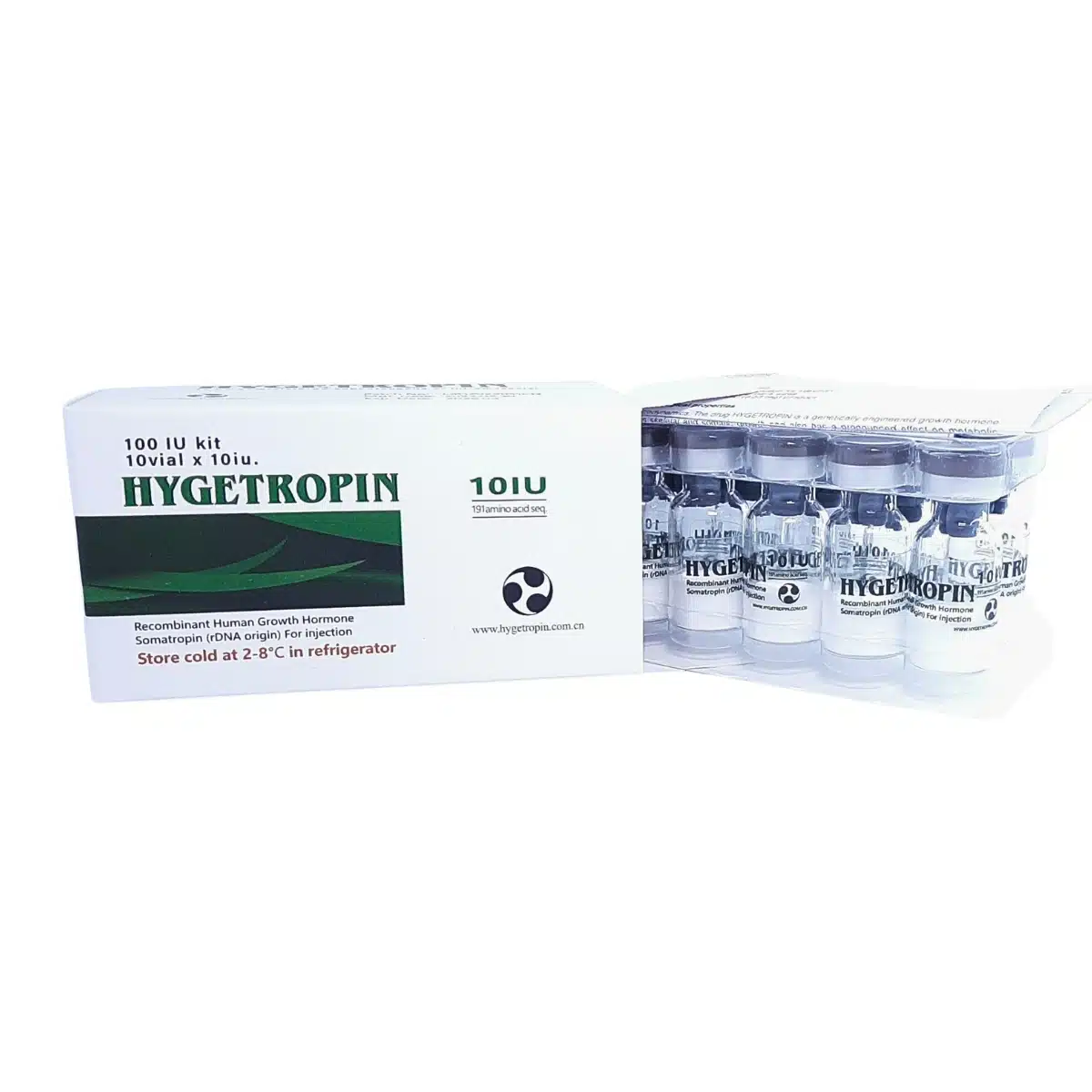
Hygetropin Somatropin 100 IU kit
Original price was: $240.00.$230.00Current price is: $230.00. -
SALE
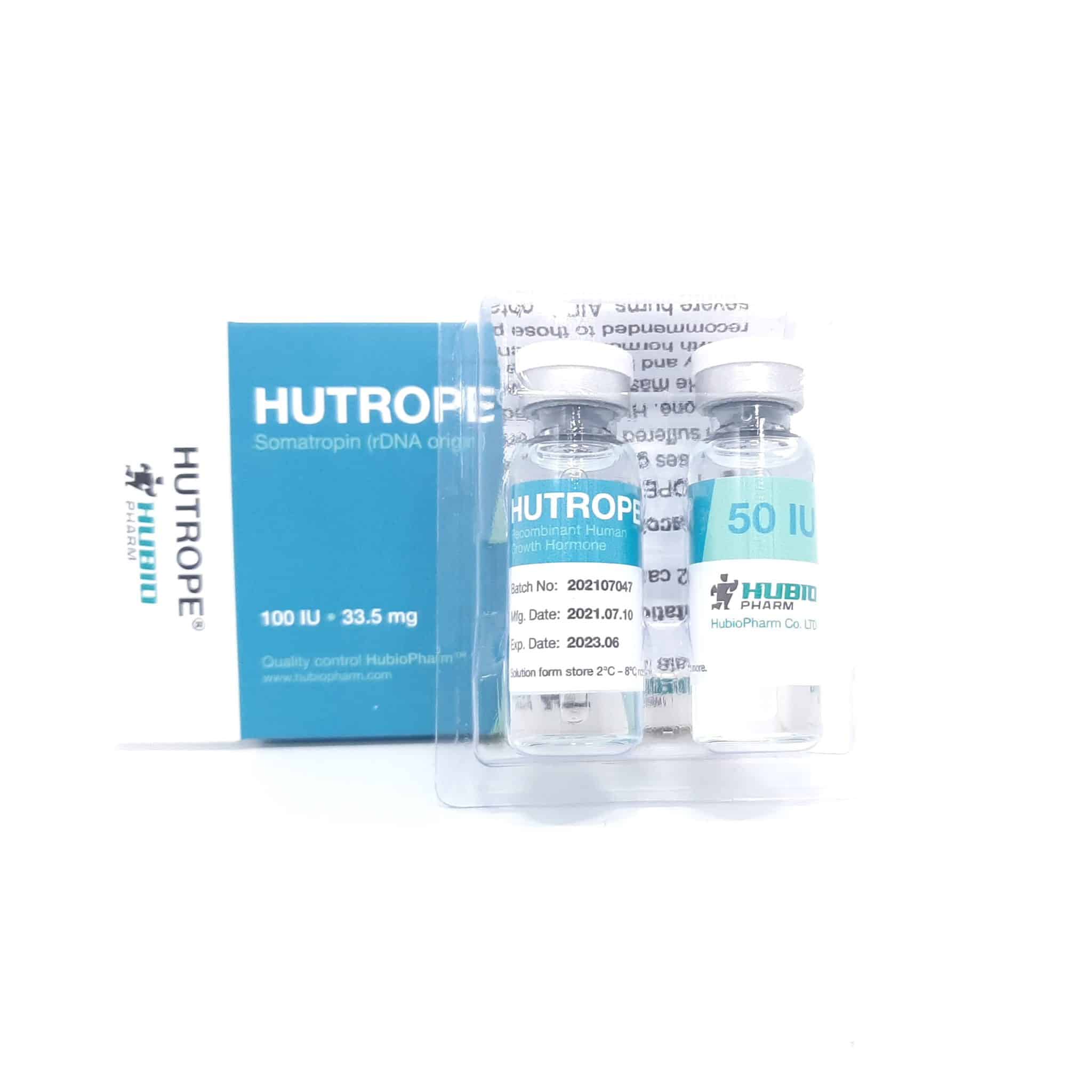
Hutrope Somatropin 100 IU kit
Original price was: $240.00.$230.00Current price is: $230.00. -
Out Of Stock
-
Out Of Stock
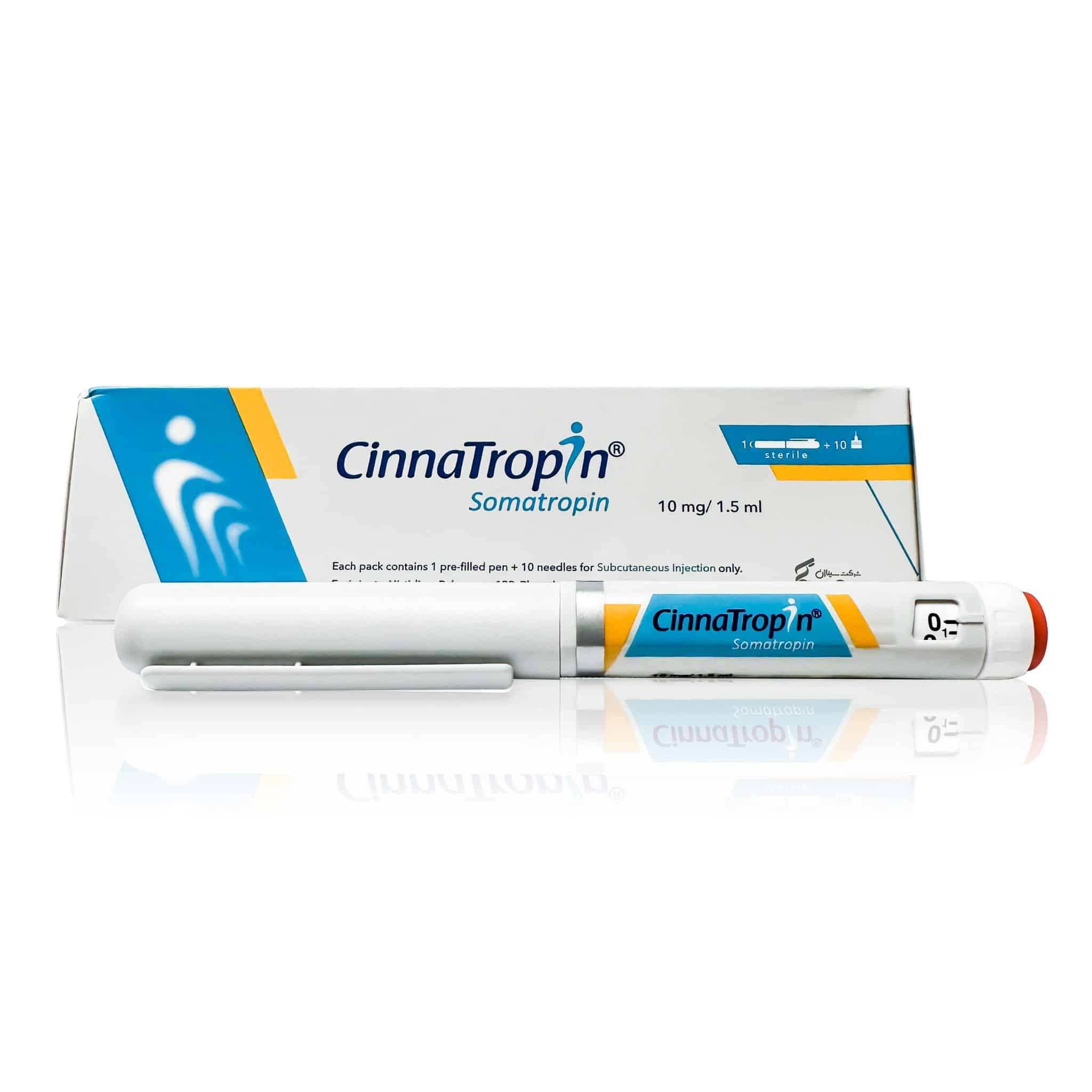
Cinnatropin Somatropin 30 IU
Original price was: $140.00.$135.00Current price is: $135.00.

-
Out Of Stock
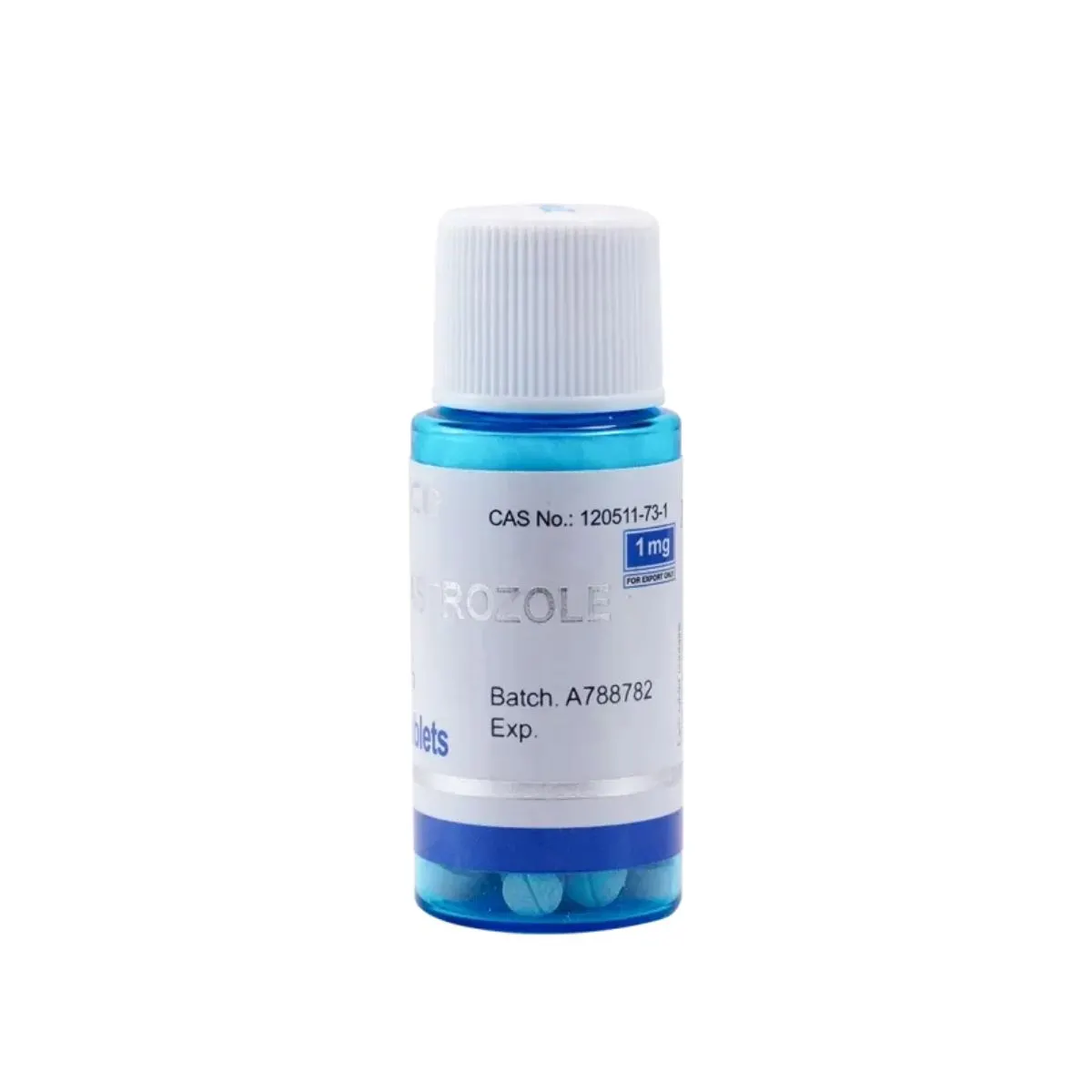
ANASTROZOLE 1 MG/TAB
$135.00 -
SALE
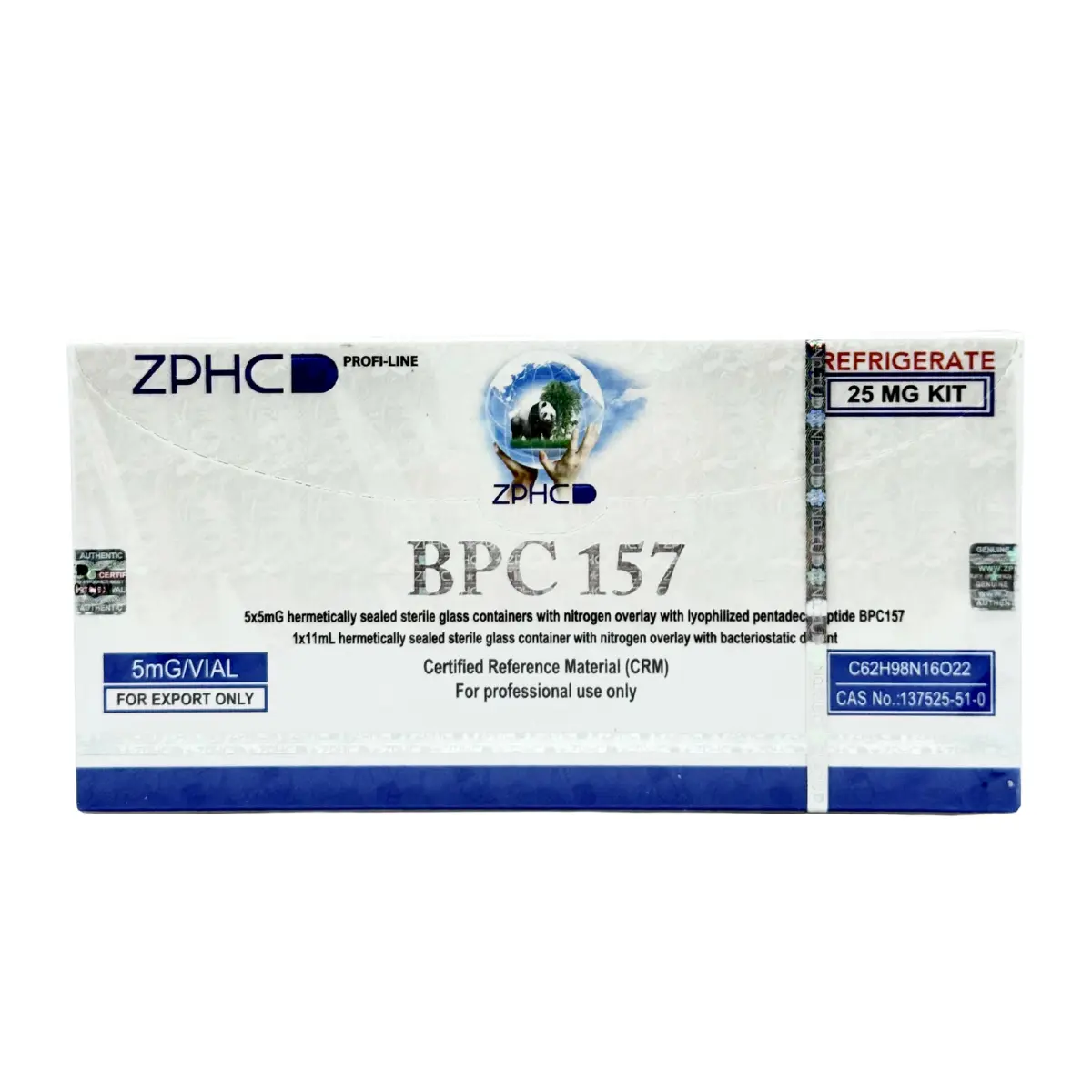
BPC 157 25 MG
Original price was: $240.00.$195.00Current price is: $195.00. -
SALE
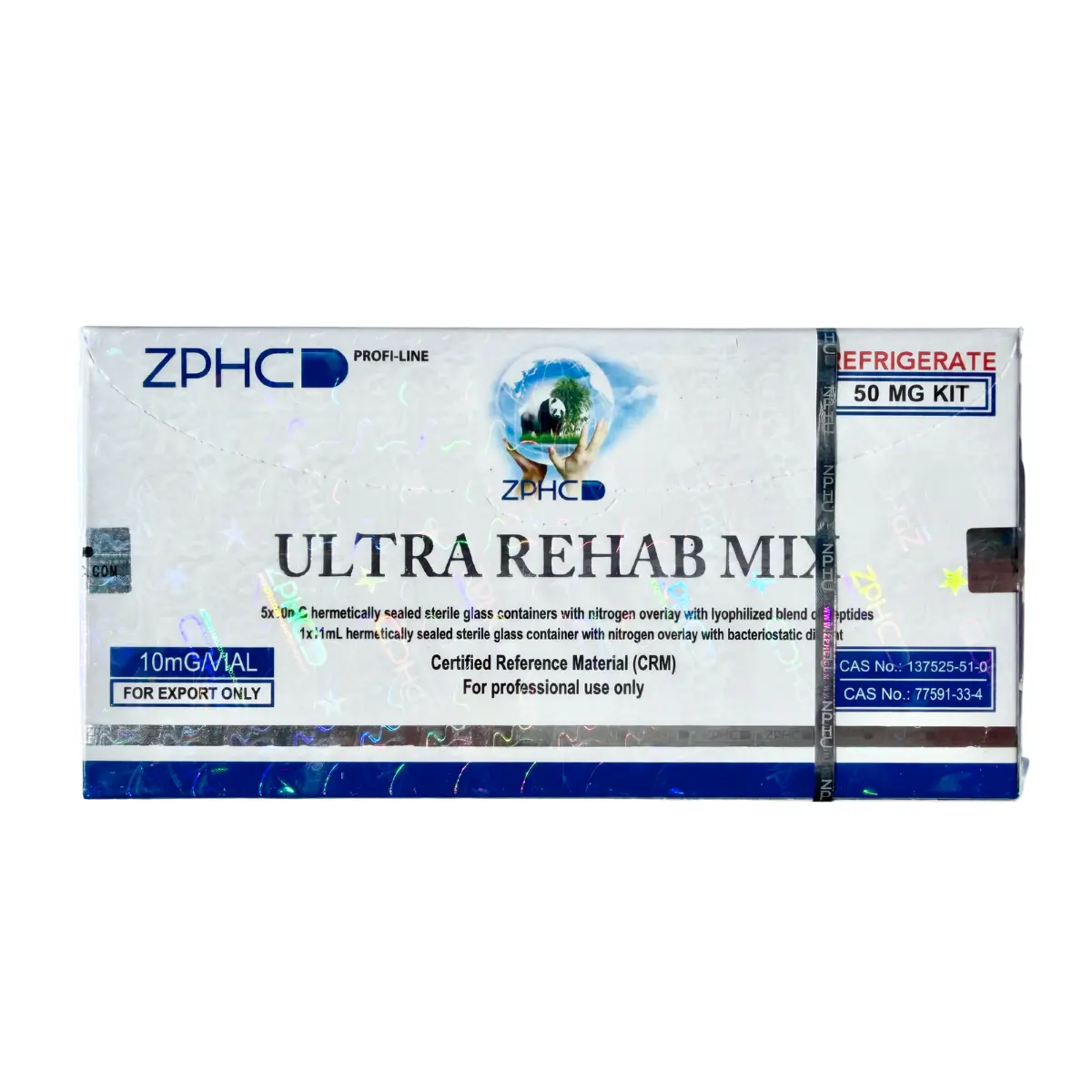
BPC-157 5 mg and TB-500 5 mg Blend
Original price was: $345.00.$295.00Current price is: $295.00. -
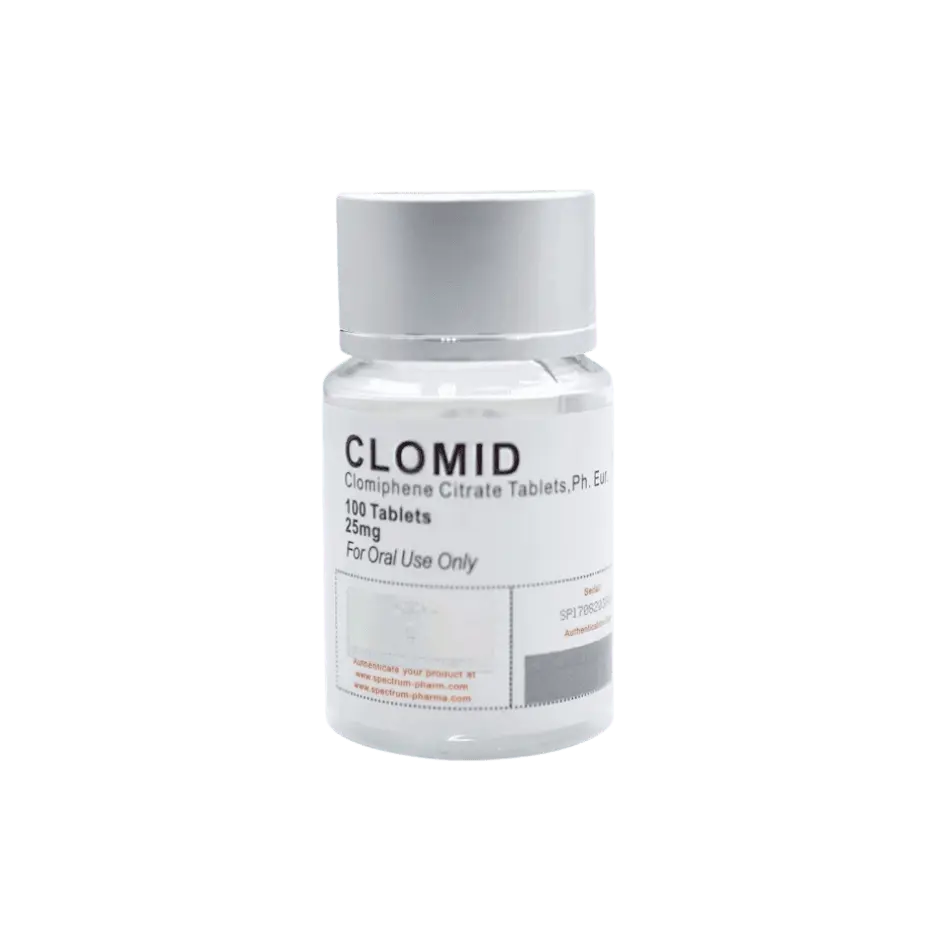
CLOMID 25 mg
$105.00 -
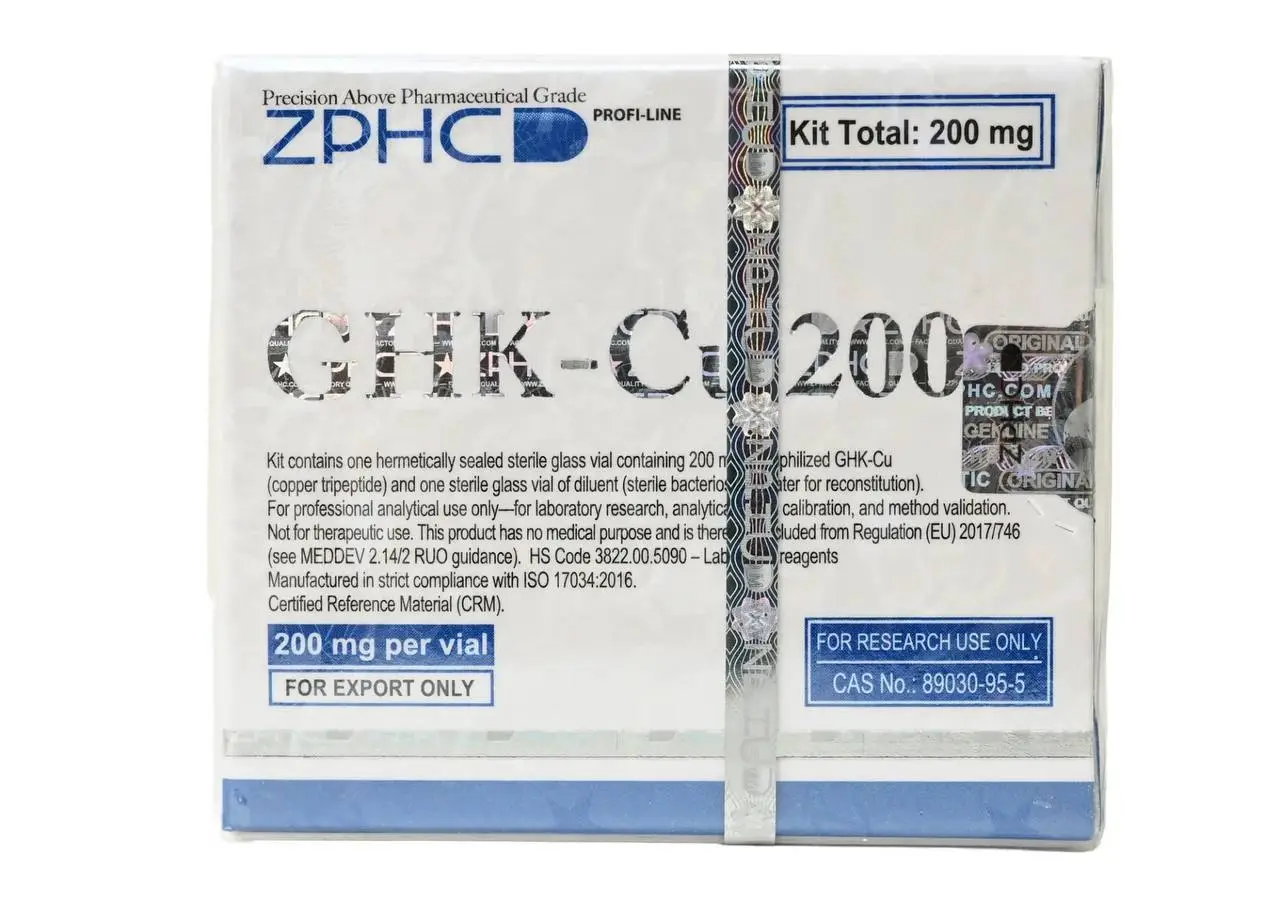
GHK-Cu (Copper Peptide) 200 MG
$175.00 -
SALE
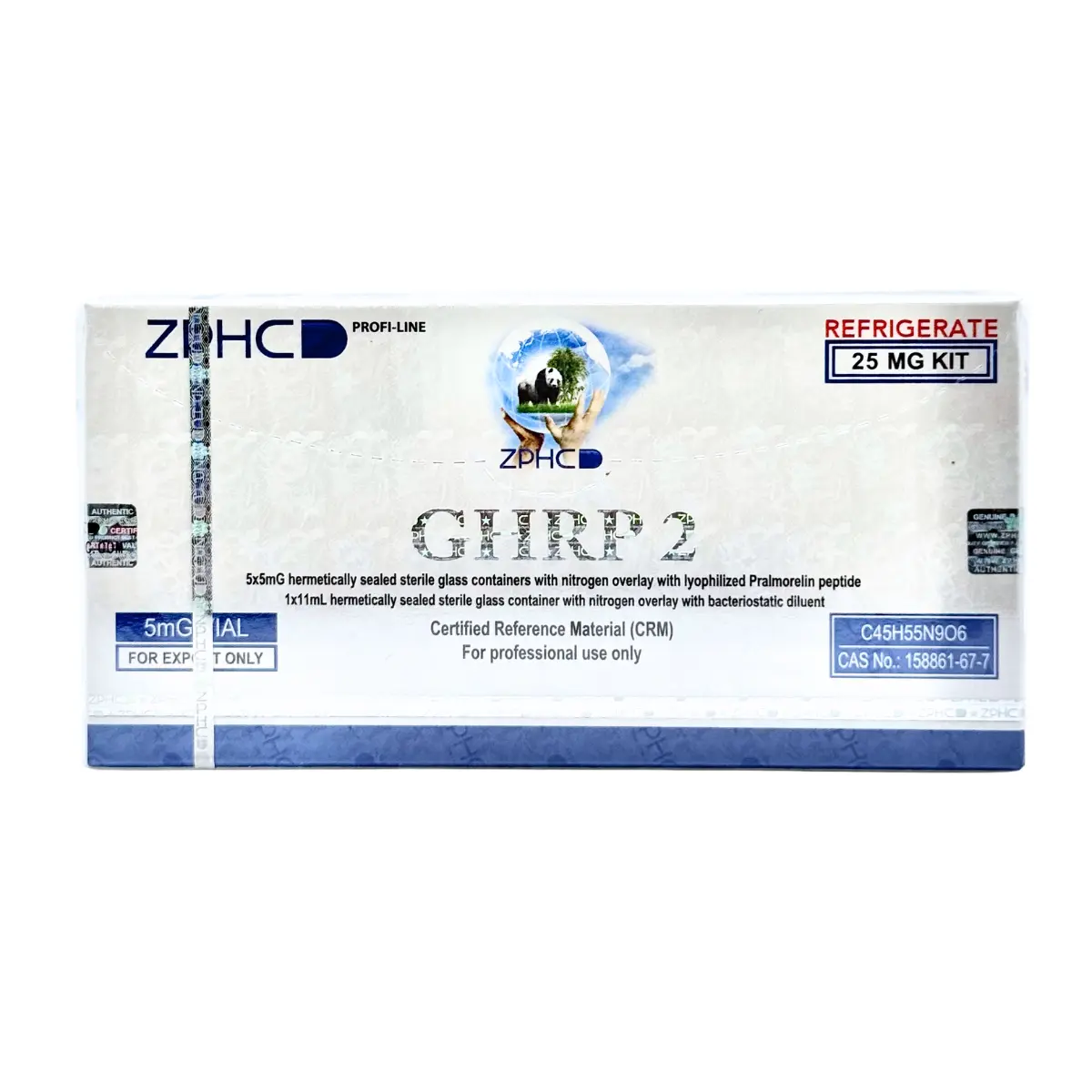
GHRP 2 25 MG
Original price was: $235.00.$195.00Current price is: $195.00. -
SALE
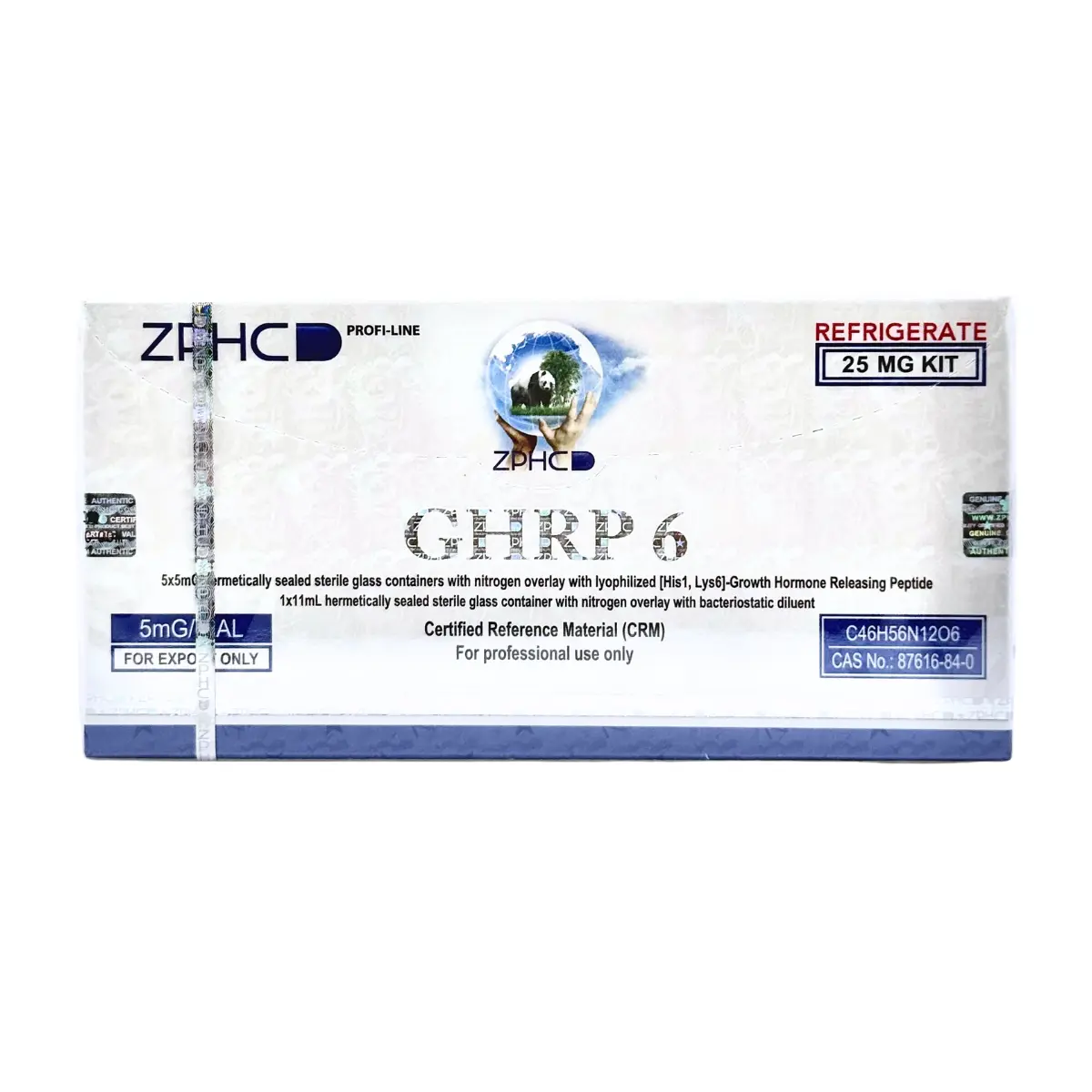
GHRP 6 25 MG
Original price was: $235.00.$195.00Current price is: $195.00. -
SALE
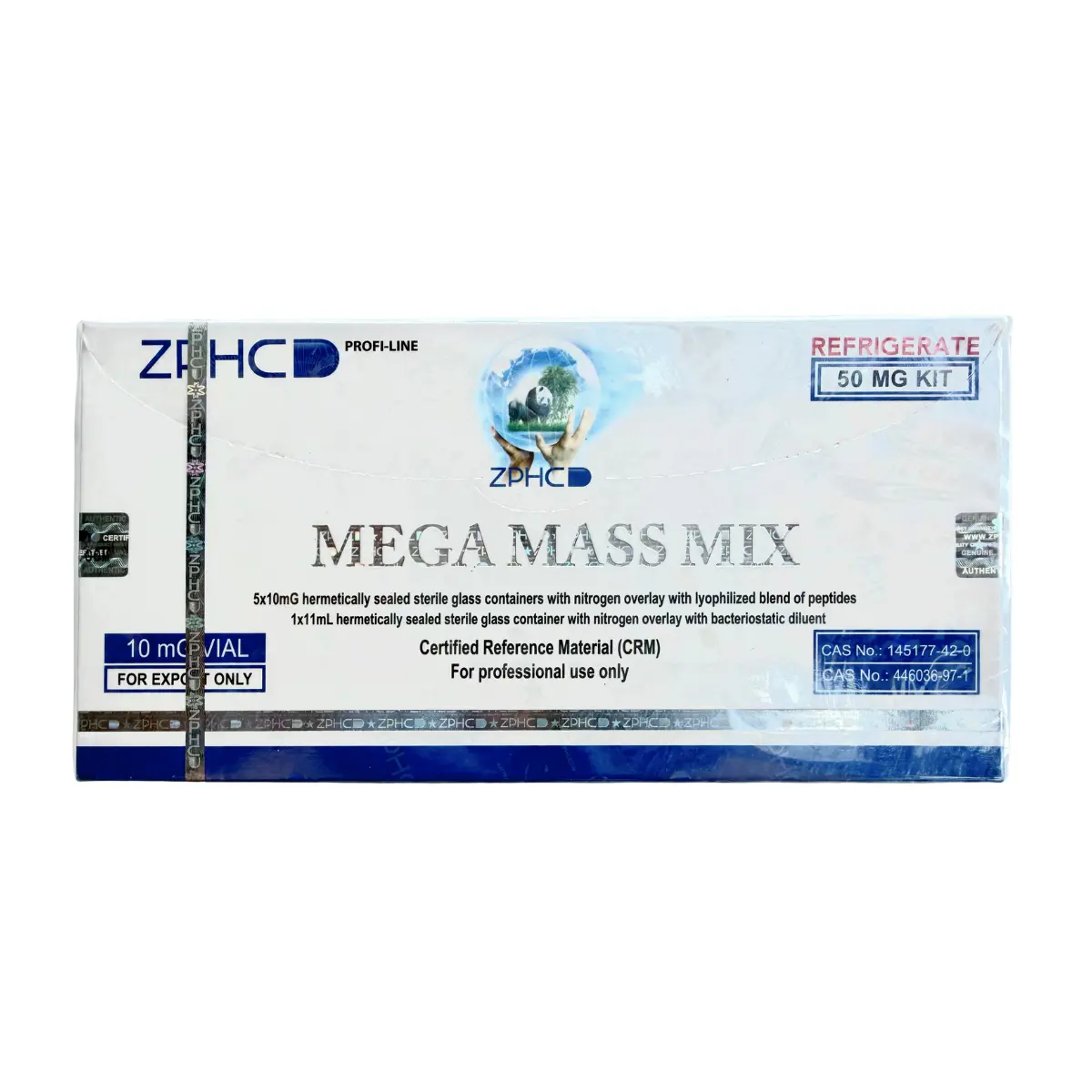
GHRP-6 5 mg and CJC-1295 5 mg Blend
Original price was: $390.00.$295.00Current price is: $295.00. -
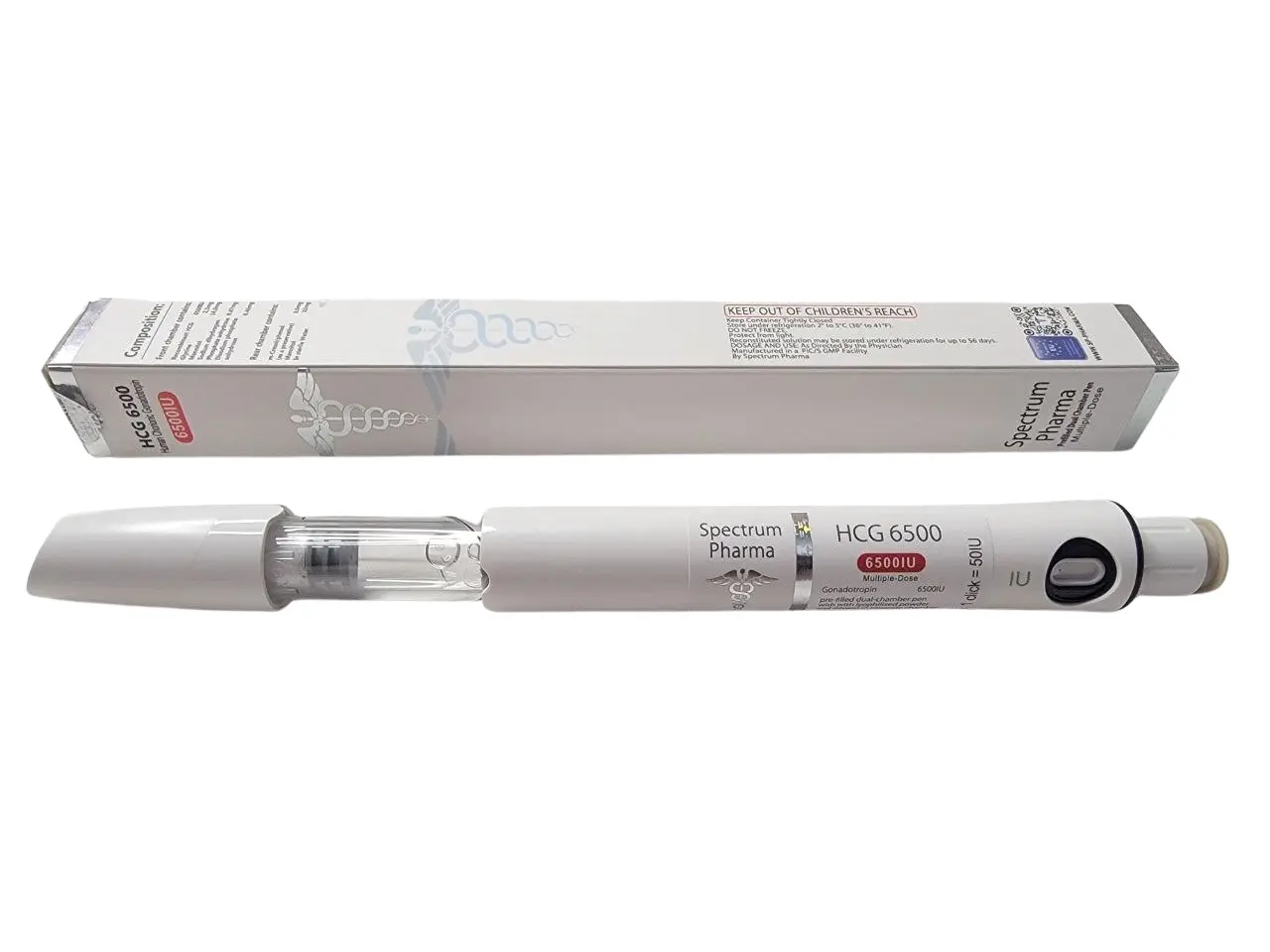
HCG 6500 IU Pen
$110.00 -
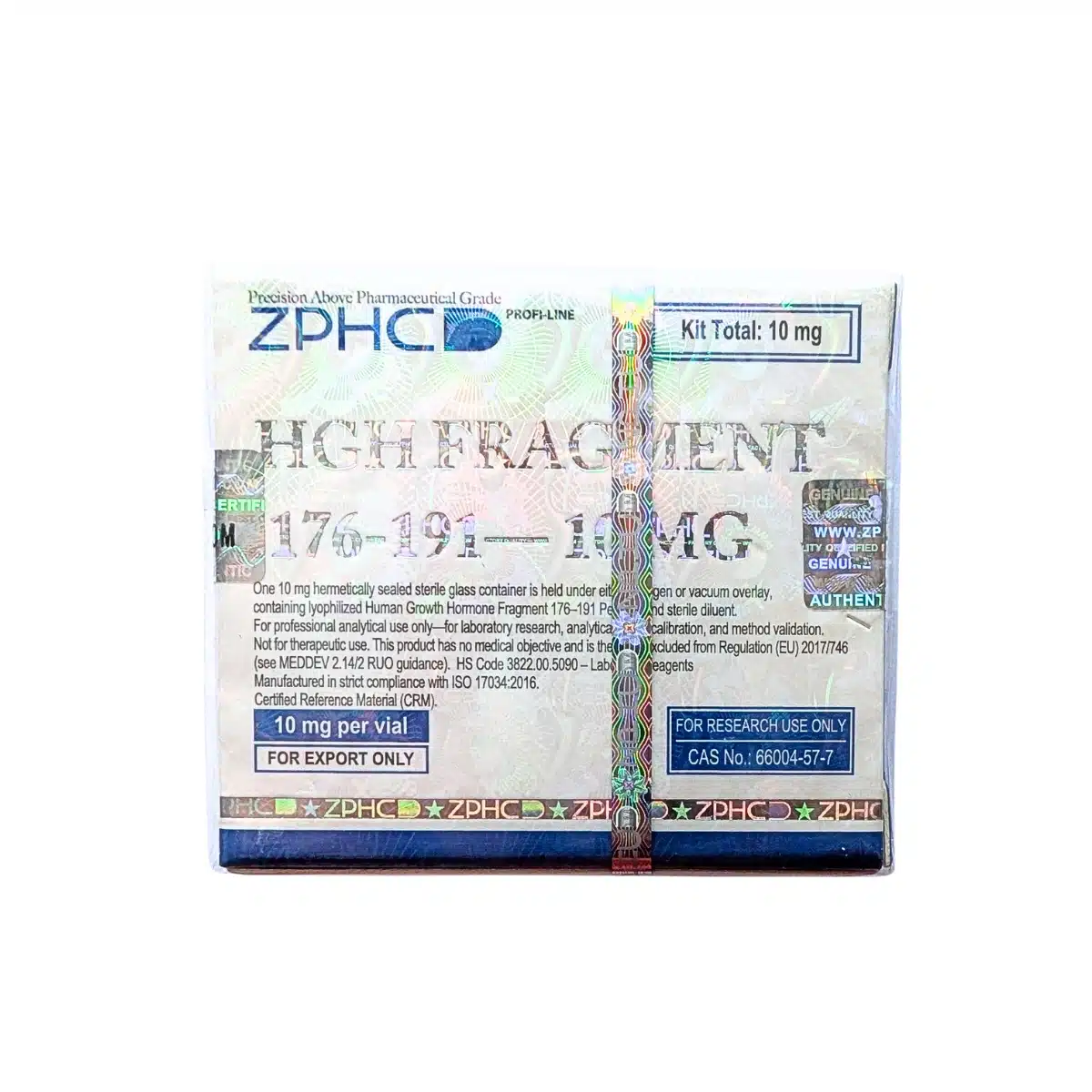
HGH FRAGMENT 176-191aa 10 mg
$150.00 -
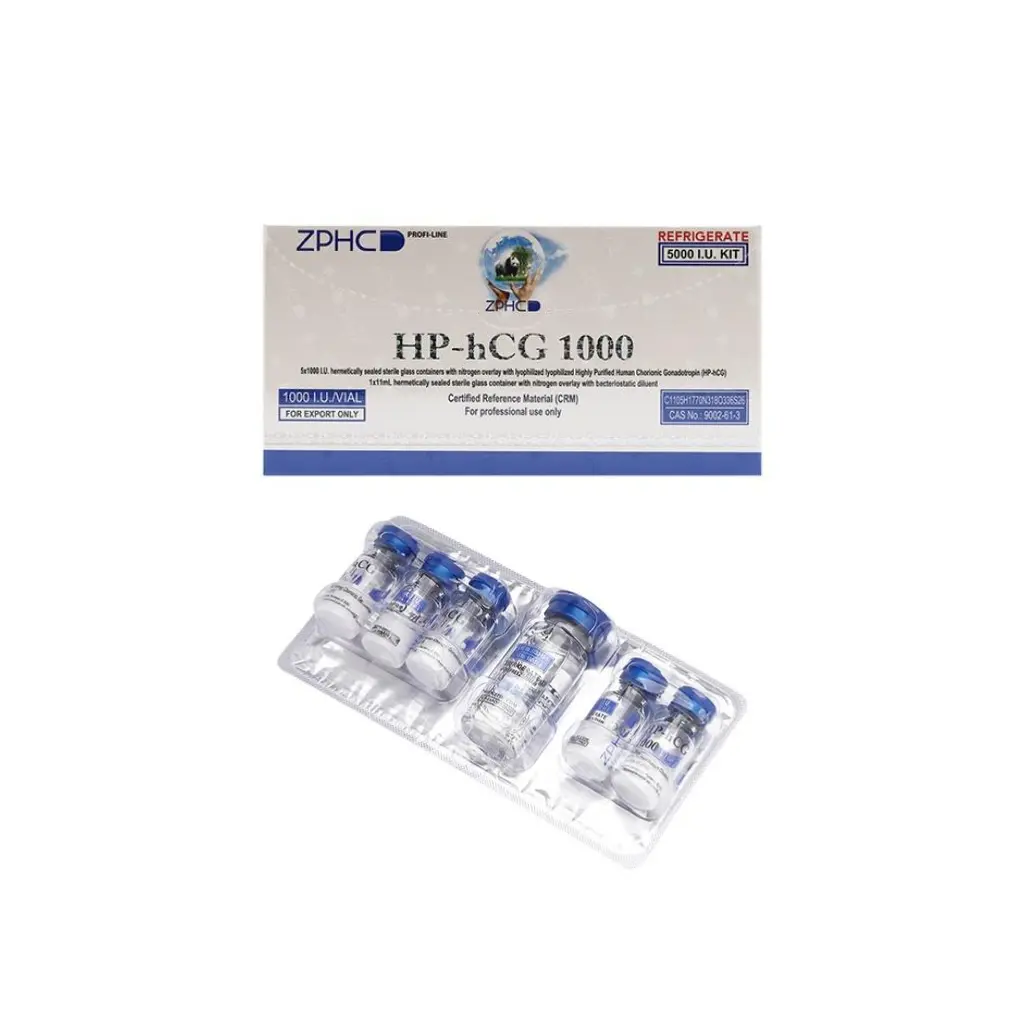
HP-HCG 5000 IU
$110.00 -
SALE
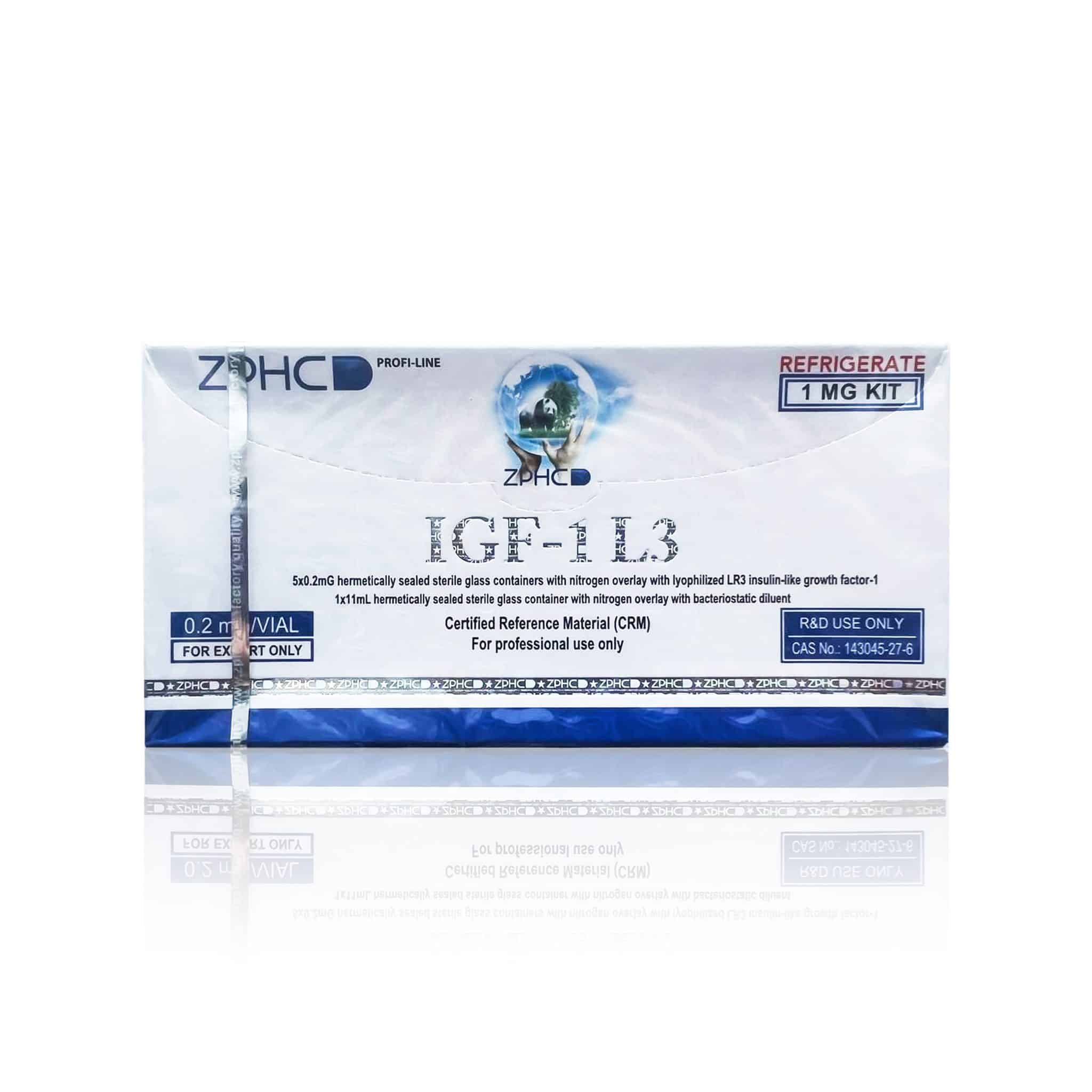
IGF-1 LR3 1 mg
Original price was: $250.00.$210.00Current price is: $210.00. -
SALE
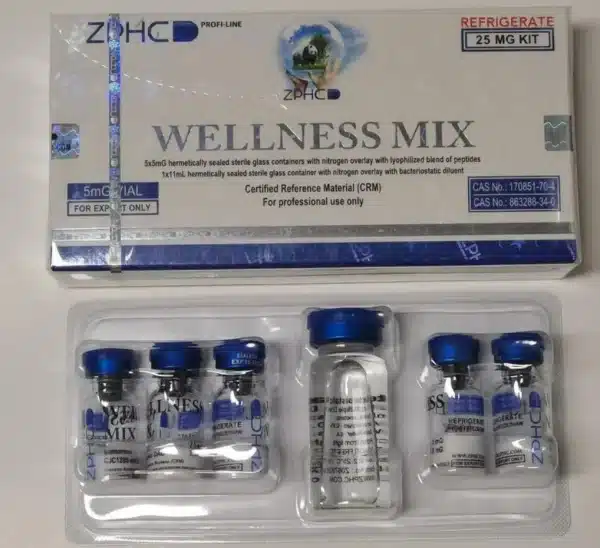
Ipamorelin 2.5 mg + CJC-1295 2.5 mg Blend
Original price was: $235.00.$195.00Current price is: $195.00. -
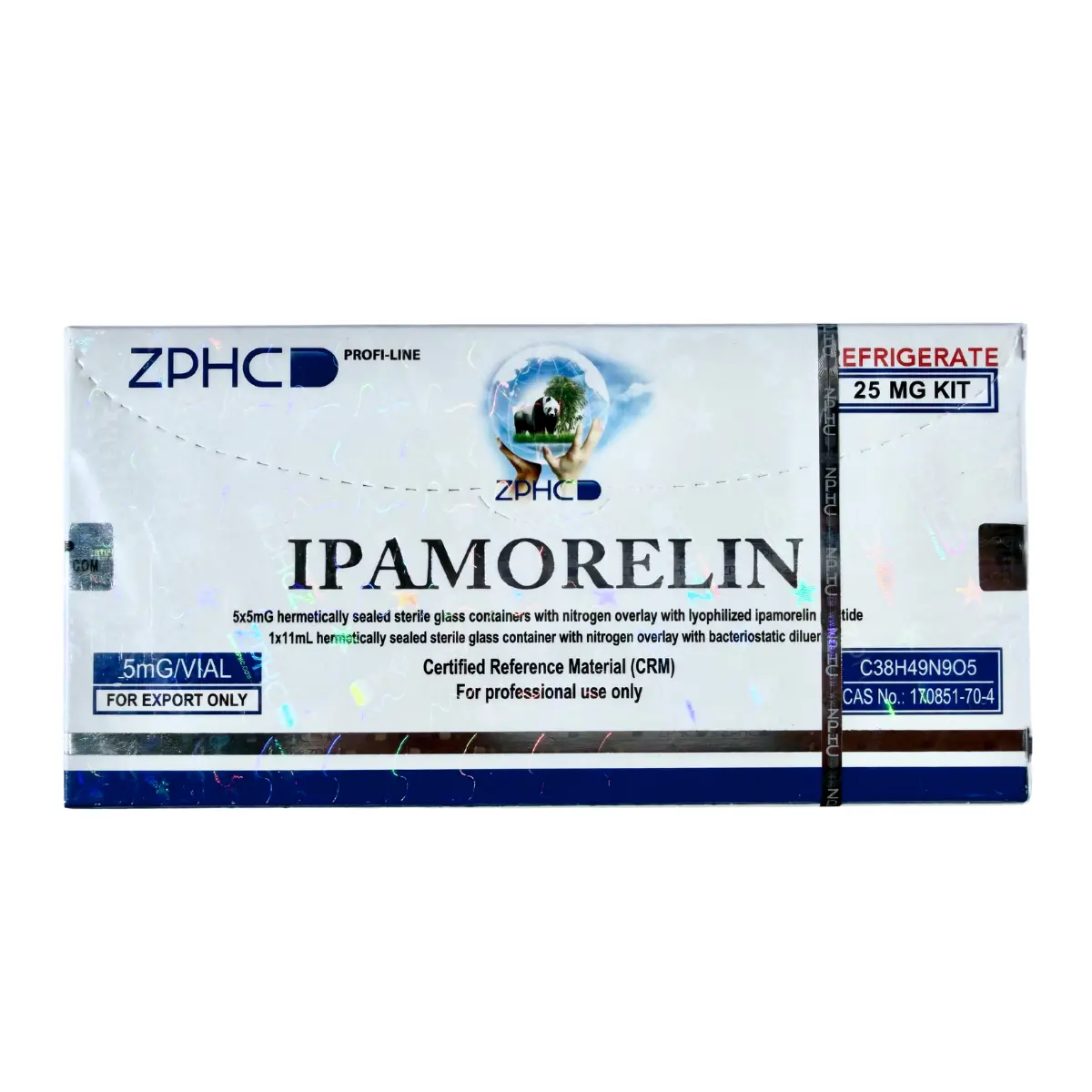
IPAMORELIN 25 MG
$120.00 -
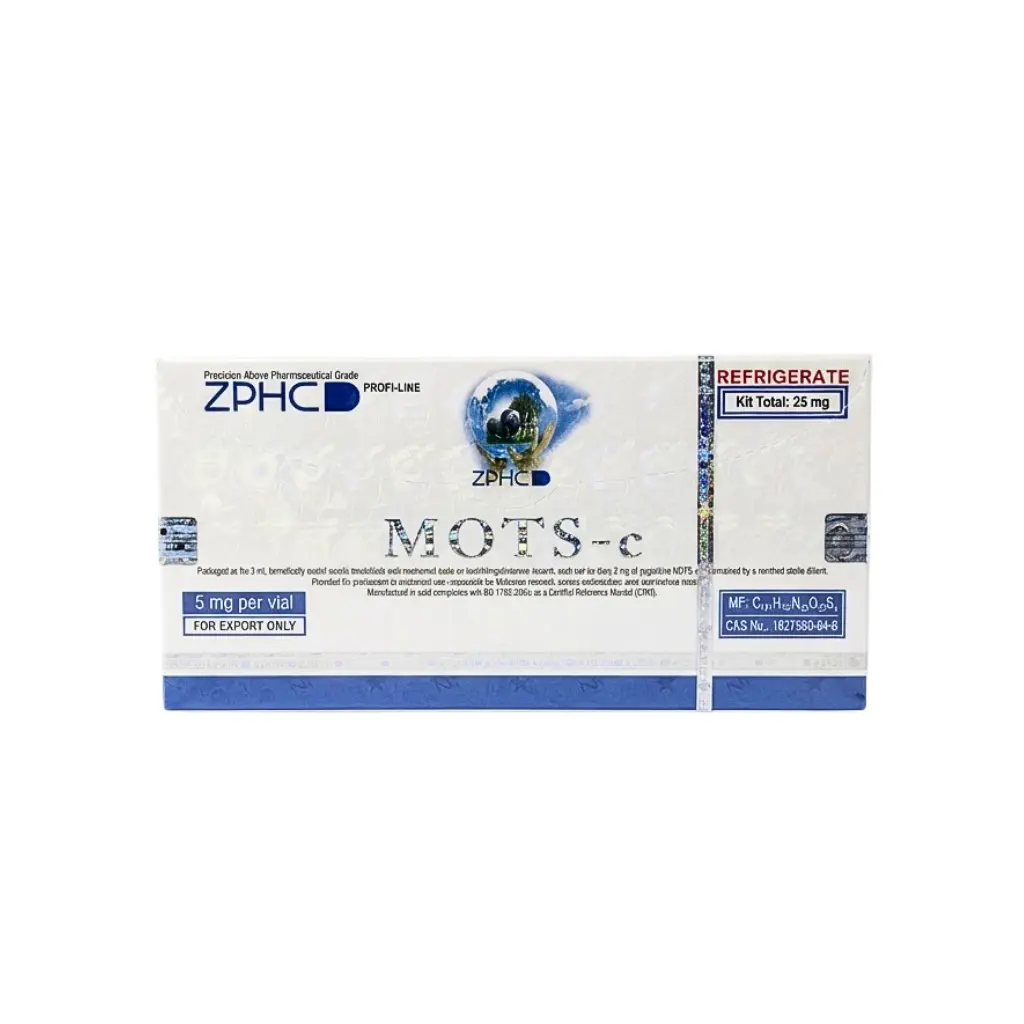
MOTS-c 25MG
$270.00 -
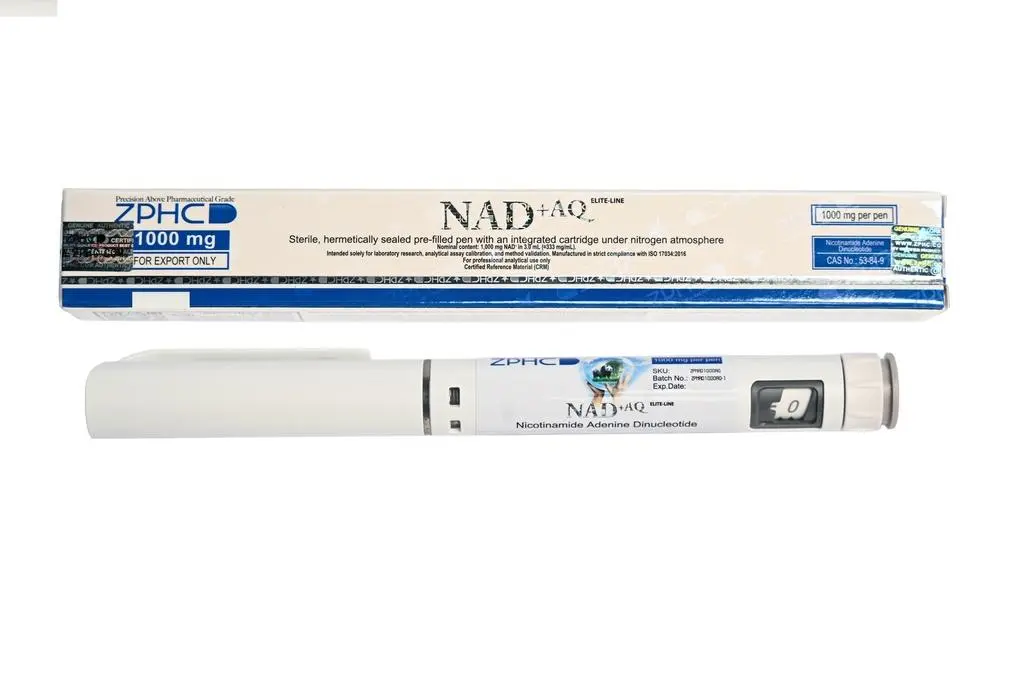
NAD+ 1000 MG AQ PEN
$195.00 -
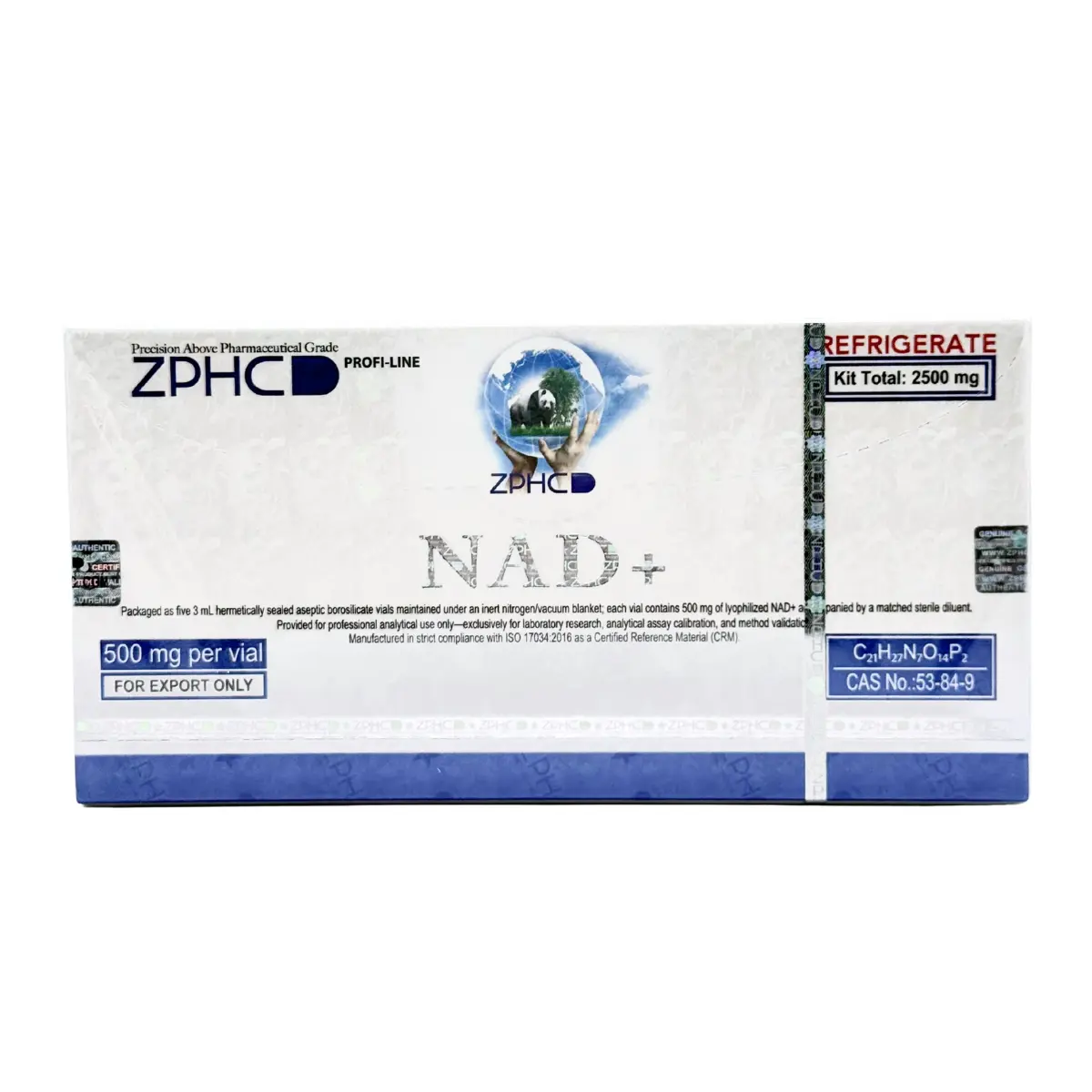
NAD+ 2500 MG KIT
$195.00 -
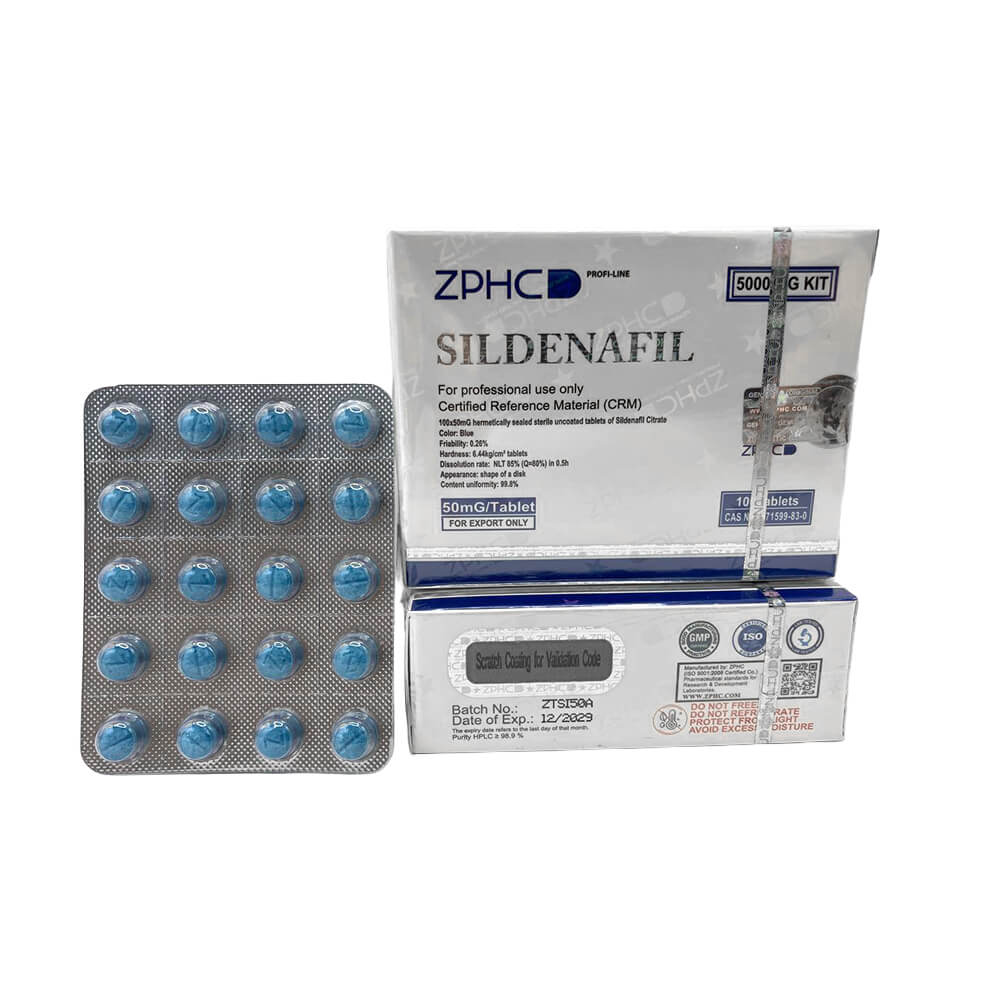
SILDENAFIL 50MG/TAB
$125.00 -
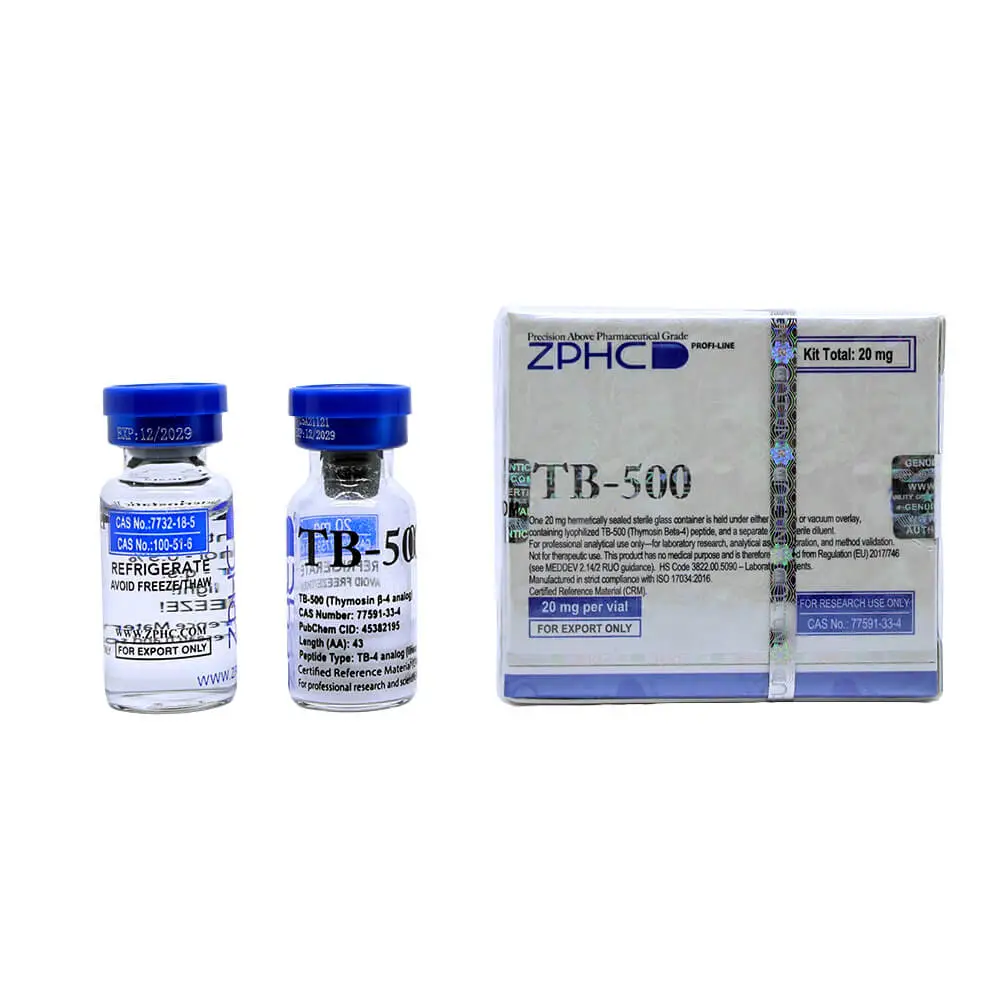
TB 500 20 MG
$195.00

I randomly test their products, and they’ve always proven to be authentic. Their customer support team is easy to work with and very responsive.

The packing was professional, and the gear looks 100% legit, complete with three holograms and a scratch-off code.
I was super skeptical, as anyone would be, but the customer service has been nothing short of superb.
I received my first product within days and the second one within a couple of weeks. 100% satisfied with the HGH.
I came across their store and couldn’t be happier. Their team is phenomenal - fast response times, great communication, and super quick delivery.
With so many sketchy vendors out there, they went above and beyond to make me feel secure. The product is the legit 191AA. Absolutely recommend them!
Not exaggerating, ECBT is the best HGH source I’ve ever dealt with. They have reasonable pricing, excellent customer service, verifiable products and fast delivery. I’ve been ordering for months, and they never disappoint. This is the only site I’ll use for HGH.
I placed my first order and was very impressed. The team is trustworthy, honest, and highly responsive. They provide legitimate products and stand behind them. With so many unreliable HGH sources out there, this is a great find. I’ll definitely order again!
I found them recently, and it’s been a game-changer. It usually takes 5-6 weeks to receive HGH from other sources shipping from Asia. I was shocked when they delivered my order in just five days!
They offer affordable, high-quality products and is very responsive and professional. I’ll definitely order from them again.
Their customer service was always on point, and my order arrived faster than expected. I’m placing another order soon!